Airline Baggage Fees in 2026: How to Avoid Up to $150 in Extra Costs on Domestic Flights
Anúncios
Unchecked travel expenses can quickly double your trip’s cost, making a clear strategy for every Airline Baggage Fee essential for domestic travelers.
With major carriers raising luggage rates and updating disclosure rules, unexpected add-on costs at check-in often catch passengers off guard. Knowing how to pack efficiently and leverage airline status lets you protect your budget before reaching the airport terminal.
Discover proven packing strategies and carrier policies to avoid costly surprise penalties on your next flight.
Navigating the Evolving Landscape of Airline Baggage Fees in 2026
The landscape of airline baggage fees is dynamic, with carriers constantly adjusting their policies to optimize revenue and manage operational costs.
As we approach 2026, industry experts predict a continued trend towards unbundling services, meaning more fees for previously included amenities.
Anúncios
This evolving environment necessitates a proactive approach from travelers, moving beyond assumptions about what’s included in their ticket price. Staying updated on specific airline policies becomes a critical component of budget-conscious travel planning.
For domestic flights within the United States, these fees can vary significantly between airlines and even depend on the fare class purchased. Travelers must recognize that a seemingly cheaper base fare might lead to higher overall costs once baggage is factored in.
Understanding the Baseline: What to Expect from Airline Baggage Fees in 2026
Most major U.S. airlines, including American, Delta, United, and Southwest, have established distinct fee structures for checked and carry-on bags. While carry-on bags often remain free for many fare types, exceptions and size restrictions are becoming more stringent.
Checked baggage, particularly the first and second bags, typically incurs charges ranging from $30 to $45 for domestic flights. These figures are subject to change, and historical data suggests a gradual increase over time, making strategies to avoid them more valuable than ever.
Overweight and oversized bags represent another significant source of fees, often starting at $100 or more per item. These charges can quickly escalate, turning a seemingly minor packing oversight into a substantial financial burden for travelers.
- First checked bag fees often range from $30-$40.
- Second checked bag fees typically fall between $40-$50.
- Overweight fees (usually above 50 lbs) begin at $100 and can go higher.
- Oversized baggage fees are similarly steep, often starting at $100-$150.
Impact of Basic Economy Fares on Baggage Costs
Basic Economy fares, while offering the lowest prices, often come with the most restrictive baggage policies, particularly for carry-on items. Some airlines may charge for standard carry-on bags or allow only a small personal item.
Travelers selecting these fares must meticulously review the baggage allowance to avoid surprises at the gate. The perceived savings from a Basic Economy ticket can quickly be negated by unexpected baggage fees, exceeding the cost of a standard economy ticket.
Anúncios
This fare class is a prime example of where understanding Airline Baggage Fees in 2026 becomes paramount. A careful comparison of total costs, including anticipated baggage, is essential before booking.
Strategic Packing to Bypass Airline Baggage Fees in 2026
One of the most effective ways to avoid baggage fees is through intelligent packing. Minimizing luggage to fit within carry-on limits or even traveling with just a personal item can save a substantial amount of money.
Embracing minimalist packing techniques and utilizing space-saving tools can make a significant difference. The goal is to maximize efficiency without sacrificing essential items, turning packing into a strategic exercise.
By adopting these methods, travelers can significantly reduce the likelihood of incurring extra charges, directly impacting their overall travel budget. Strategic packing is a direct response to the challenge of Airline Baggage Fees in 2026.
The Power of the Carry-On: Maximizing Your Allowance
For many domestic flights, a carry-on bag and a personal item are still allowed without charge. Mastering the art of packing a carry-on can eliminate checked bag fees entirely, saving travelers upwards of $70 per round trip.
Invest in a high-quality, lightweight carry-on suitcase that meets airline dimensions. Utilize packing cubes, roll clothes tightly, and wear your bulkiest items to conserve space within the bag, ensuring compliance with size and weight limits.
Always double-check your specific airline’s carry-on dimensions before flying, as these can vary. A bag that fits one airline’s overhead bin might be too large for another, leading to unexpected gate-check fees.
- Use packing cubes to compress clothing and organize items efficiently.
- Wear heavier items like coats and boots to free up luggage space.
- Opt for travel-sized toiletries to comply with TSA liquid rules and save space.
- Choose versatile clothing items that can be mixed and matched.
Avoiding Overweight and Oversized Bag Charges
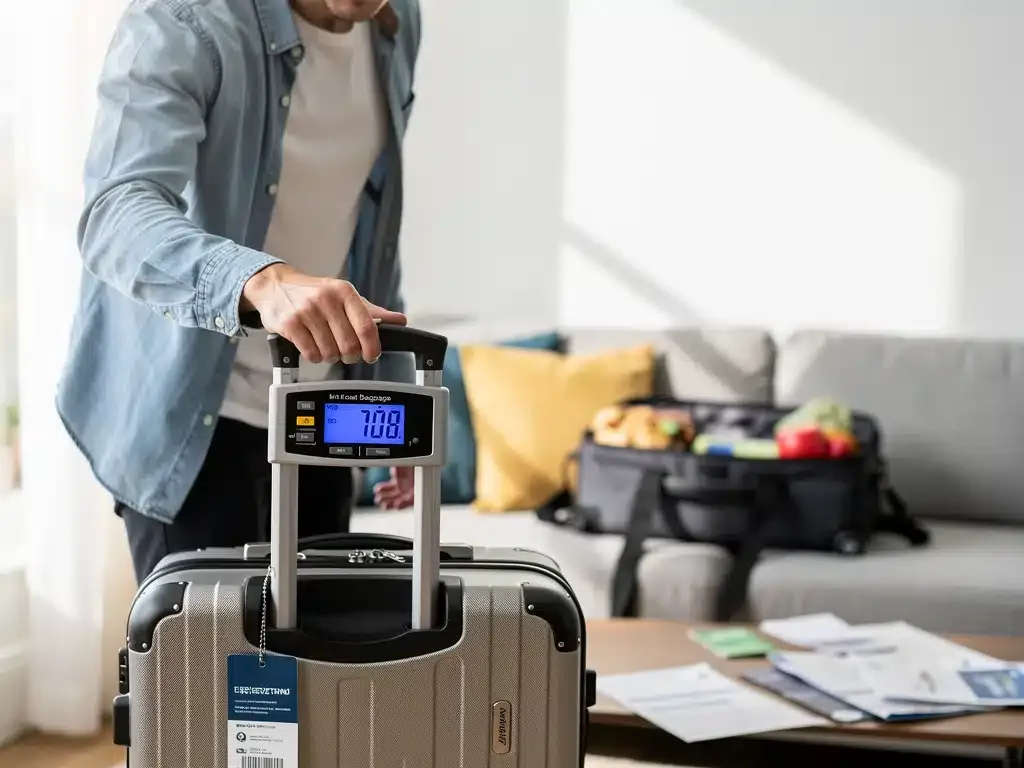
Overweight and oversized baggage fees are notoriously expensive, often starting at $100 or more. These charges are easily preventable with a simple pre-flight check: weighing your luggage at home.
A portable luggage scale is an inexpensive investment that can save you significant money. If your bag is overweight, redistribute items between your checked and carry-on bags, or consider shipping some items ahead.
Understanding the weight limits for both checked and carry-on bags is crucial. Most airlines have a 50-pound limit for standard checked bags, and exceeding this will trigger a fee. Being prepared is the best defense against these steep charges.
Leveraging Airline Programs and Credit Cards for Baggage Fee Waivers
Many travelers overlook the benefits offered by airline loyalty programs and co-branded credit cards, which can provide significant relief from baggage fees. These perks are specifically designed to enhance customer loyalty and offer tangible value.
Understanding the various avenues for fee waivers can turn a potentially costly aspect of travel into a free benefit. This requires a bit of research into individual airline programs and credit card offerings, but the savings are often well worth the effort.
As Airline Baggage Fees in 2026 continue to be a concern, utilizing these programs becomes an increasingly smart financial decision for frequent flyers. These options represent a proactive strategy to reduce travel expenses.
The Perks of Airline Loyalty Programs and Elite Status
Achieving elite status with an airline often comes with a host of benefits, including complimentary checked bags. Even entry-level elite tiers can offer one free checked bag, which can save domestic travelers $60-$90 per round trip.
Accumulating miles or segments can elevate your status, unlocking these valuable perks. It’s worth concentrating your travel on one or two airlines to maximize your chances of earning elite benefits and bypassing baggage fees.
For those who travel frequently, the long-term savings from these programs can be substantial, making the initial effort to achieve status a worthwhile endeavor. This strategy directly addresses the rising cost of Airline Baggage Fees in 2026.
Co-Branded Airline Credit Cards: A Gateway to Free Bags
Numerous airline co-branded credit cards offer a free first checked bag for the cardholder and often several companions on the same reservation. This benefit alone can offset the annual fee of the credit card for frequent travelers.
Before applying, compare the annual fees and benefits of different cards to find one that aligns with your travel habits. The savings on baggage fees can quickly add up, making these cards a financially astute choice for many.
These credit cards often come with additional travel perks, such as priority boarding and travel insurance, enhancing the overall travel experience. For those looking to avoid Airline Baggage Fees in 2026, a co-branded card is a powerful tool.
Alternative Shipping Solutions and Consolidated Travel
When faced with excessive luggage or special items, traditional airline baggage can become prohibitively expensive. Exploring alternative shipping solutions can offer a more economical and convenient option for certain situations.
Consolidating travel plans, especially for families or groups, also presents opportunities to pool baggage allowances and reduce individual costs. These methods require foresight and planning, but the financial benefits can be significant.
By thinking outside the conventional baggage box, travelers can find creative ways to manage their belongings without falling victim to high Airline Baggage Fees in 2026. It’s about finding the most efficient and cost-effective transportation for your items.
Shipping Luggage Ahead: A Cost-Effective Alternative
For extended trips or when traveling with bulky equipment, shipping luggage via services like FedEx, UPS, or specialized luggage shipping companies can be more cost-effective than paying airline fees. This allows for a lighter travel experience at the airport.
Compare shipping costs with potential airline baggage fees, especially for multiple or overweight bags. Factor in delivery times to ensure your belongings arrive at your destination when needed, planning accordingly to avoid any inconvenience.
This strategy is particularly useful for items that don’t need to be immediately accessible upon arrival, offering flexibility and potentially substantial savings. It’s an often-overlooked tactic for managing Airline Baggage Fees in 2026.
Consolidating Baggage for Family and Group Travel
Families or groups traveling together can often pool their baggage allowances to minimize fees. By strategically distributing items among checked bags, they can avoid individual overweight charges or even reduce the total number of checked bags.
For example, if one person has elite status or a co-branded credit card offering free checked bags, that allowance can be utilized by the entire group. This requires coordination but can lead to considerable collective savings on Airline Baggage Fees in 2026.
Planning ahead and communicating within the group about packing strategies is key to successfully implementing this approach. Maximizing each individual’s allowance can lead to a more economical trip for everyone involved.
Understanding Airline Specific Policies for 2026
Each airline operates with its own distinct set of rules regarding baggage, and these policies are subject to change. What applies to one carrier may not apply to another, making granular knowledge essential for travelers.
Before booking, dedicated research into the specific airline’s baggage policy is non-negotiable. This due diligence can prevent costly surprises and ensure that your travel budget remains intact, free from unexpected charges.
Given the potential for significant fees, understanding these nuances is a critical step in preparing for travel in 2026. A clear grasp of these policies is the foundation for successfully avoiding Airline Baggage Fees in 2026.
American Airlines and United Airlines Baggage Policies
American Airlines and United Airlines typically charge for the first checked bag on domestic flights, especially for basic economy fares. These fees generally range from $35-$40 for the first bag and $45-$50 for the second.
Both airlines offer waivers for elite status members, co-branded credit cardholders, and military personnel. Carry-on bag allowances are usually included, but strict adherence to size limits is enforced to avoid gate-check fees.
Travelers flying with these carriers should always consult their official websites for the most up-to-date information on fees and restrictions. This vigilance is crucial for navigating Airline Baggage Fees in 2026.
Delta Air Lines and Southwest Airlines Baggage Policies
Delta Air Lines generally mirrors American and United in its checked baggage fee structure, with similar charges for the first and second bags.
Free checked bags are often a perk for Delta SkyMiles Medallion members and Delta SkyMiles American Express cardholders.
Southwest Airlines stands out for its policy of allowing two free checked bags per passenger, provided they meet size and weight requirements.
This unique offering makes Southwest a popular choice for travelers with more luggage, directly impacting Airline Baggage Fees in 2026 considerations.
While Southwest’s policy is generous, it’s still vital to check their specific size and weight limits to avoid any potential overage fees. For other airlines, always verify the latest information directly on their official websites, as policies can be updated without extensive public announcement.
Leveraging Technology and Innovation to Reduce Costs
The advent of technology has provided travelers with new tools and resources to manage and potentially reduce baggage costs. From smart luggage to dedicated travel apps, innovation plays a role in modern travel planning.
Utilizing these technological advancements can offer a competitive edge in navigating the complex world of airline fees. Integrating these tools into your travel preparation can lead to more efficient and cost-effective journeys.
By embracing these technological solutions, travelers are better equipped to tackle the challenges posed by Airline Baggage Fees in 2026. It’s about smart travel in a digital age.
Smart Luggage and Digital Tools for Weight Management
Smart luggage, equipped with built-in scales, can provide real-time weight checks, preventing overweight bag surprises at the airport. While an initial investment, it can save money on repeated overweight fees.
Various mobile applications also offer tools for tracking airline baggage policies, comparing fees, and even suggesting optimal packing strategies. These digital aids empower travelers with information at their fingertips, making informed decisions easier.
Such technological solutions are becoming increasingly relevant as airlines continue to refine their fee structures, offering a practical defense against unexpected charges. They are a valuable asset in the fight against high Airline Baggage Fees in 2026.
Booking Tools and Fare Comparison Websites
When booking flights, utilize fare comparison websites that allow you to filter by total cost, including estimated baggage fees. Some platforms are evolving to provide more transparent breakdowns of ancillary charges, which is a significant aid to travelers.
Always review the final price summary before confirming your booking, ensuring all anticipated fees, including baggage, are accounted for. This proactive approach helps prevent budget overruns and ensures you get the best value for your money.
By carefully selecting booking channels and understanding their fee transparency, travelers can make more informed decisions about their total travel expenses. This is a crucial step in managing Airline Baggage Fees in 2026 effectively.
The Future Outlook: What to Expect Beyond 2026
As airlines continue to seek new revenue streams and operational efficiencies, the trend of unbundled services and increasing ancillary fees is likely to persist beyond 2026. Travelers should anticipate further adjustments to baggage policies.
Innovation in aircraft design and passenger experience might also influence how baggage is handled and priced in the future. The industry is constantly evolving, and staying adaptable is key for budget-conscious flyers.
Preparing for these potential changes now ensures that travelers remain ahead of the curve, capable of adjusting their strategies to continue avoiding unnecessary costs. This forward-thinking approach is vital for navigating future Airline Baggage Fees in 2026 and beyond.
Potential Changes in Airline Baggage Fee Structures
Industry analysts suggest that airlines might introduce more tiered baggage options, allowing passengers to customize their baggage allowance more precisely. This could mean more granular pricing based on bag size, weight, and even destination.
There’s also a possibility of dynamic pricing for baggage, where fees fluctuate based on demand, route, or booking time. Such models are already common in other aspects of air travel and could extend to baggage.
These potential changes highlight the ongoing need for travelers to remain vigilant and informed about airline policies. The ability to adapt to new structures will be key to managing Airline Baggage Fees in 2026 and in subsequent years.
The Role of Consumer Advocacy and Regulation
Consumer advocacy groups continue to push for greater transparency in airline pricing, including baggage fees. Increased regulatory oversight could lead to clearer disclosures and potentially standardized fee structures.
While significant regulatory changes are often slow, consumer pressure can influence airline behavior and policy adjustments. Staying engaged with these discussions can help shape the future of air travel costs.
Ultimately, a combination of informed consumer choices, technological assistance, and potential regulatory shifts will define the landscape of Airline Baggage Fees in 2026 and beyond. Travelers have a role to play in advocating for fair and transparent pricing.
| Key Strategy | Benefit |
|---|---|
| Pack Light/Carry-On | Avoids checked bag fees ($30-$50 per bag). |
| Use Airline Credit Cards | Complimentary first checked bag for cardholders. |
| Attain Elite Status | Free checked bags and other travel perks. |
| Weigh Luggage at Home | Prevents costly overweight bag charges ($100+). |
Frequently Asked Questions About Airline Baggage Fees in 2026
What are the typical Airline Baggage Fees in 2026 for domestic flights?▼For most major US airlines, the first checked bag typically costs between $30 and $40, while the second checked bag ranges from $40 to $50. These fees apply to standard economy fares, with Basic Economy often having stricter carry-on rules or higher charges.
How can I avoid paying for checked bags on domestic flights?▼You can avoid checked bag fees by packing light and using only a carry-on and personal item. Alternatively, consider using an airline co-branded credit card, achieving elite status with an airline, or flying Southwest Airlines, which includes two free checked bags.
Do Basic Economy tickets include carry-on bags in 2026?▼It depends on the airline. Some airlines, like American and United, may only allow a small personal item with Basic Economy, charging for a standard carry-on. Always check the specific airline’s policy for your Basic Economy fare before flying to avoid gate fees.
What happens if my bag is overweight or oversized?▼Overweight bags (typically over 50 lbs) and oversized bags incur substantial fees, often starting at $100 or more per item. To avoid this, weigh your luggage at home with a portable scale and redistribute items or consider shipping excess luggage ahead of time.
Are there any credit cards that waive Airline Baggage Fees in 2026?▼Yes, many airline co-branded credit cards offer a free first checked bag for the cardholder and several companions on the same reservation. Examples include cards from American, Delta, and United, which can save frequent travelers significant money over time.
Perspectives on Future Travel Costs
The strategies outlined here provide a robust framework for managing Airline Baggage Fees in 2026, but continuous vigilance remains paramount. As the travel industry evolves, new policies and opportunities for savings will undoubtedly emerge.
Travelers are encouraged to stay informed through official airline channels, trusted travel news sources, and consumer advocacy updates. Proactive planning and adaptability are the best defenses against rising travel costs.
By embracing smart packing, leveraging loyalty programs, and utilizing technological tools, passengers can significantly reduce their travel expenditures, ensuring a more enjoyable and cost-effective journey in the years to come.