CFPB Enforces 75% Reduction on Credit Card Late Fees
Anúncios
Lowering everyday borrowing costs for consumers begins with understanding how new regulatory caps restrict penalty charges levied by major financial institutions. Enforcing a sweeping 75% cap on Credit Card Late Fees ensures cardholders are no longer hit with predatory $41 charges for missing payment deadlines by a single day.
Restricting excessive financial penalties forces credit card issuers to align billing surcharges with actual administrative collection costs. Capping standard missed-payment fees at $8 provides immediate relief for working families, eliminating billions of dollars in junk fees extracted annually across the consumer credit market.
Understanding updated federal banking protections empowers cardholders to manage monthly account balances with greater confidence. Here is how the CFPB enforcement action restructures cardholder terms, limits penalty charges, and impacts credit card issuers nationwide.
CFPB's Landmark Decision on Credit Card Late Fees
On [Date of Enforcement], the Consumer Financial Protection Bureau officially announced and began enforcing a rule that reduces the typical credit card late fee by 75%. This move is set to dramatically alter the landscape of credit card charges, moving the standard late fee cap from approximately $32 to $8 for most card issuers.
The bureau's decision follows extensive research and public commentary, highlighting concerns over what it deemed excessive late fees. This regulatory adjustment is projected to save American families billions of dollars annually, directly impacting household budgets across the nation.
Anúncios
This enforcement action reflects the CFPB’s ongoing mission to protect consumers from predatory practices and ensure a more equitable financial system. It signals a clear intent to rein in fees that often disproportionately affect vulnerable populations.
Understanding the New Late Fee Cap
The core of the CFPB's new rule is a reduction in the safe harbor threshold for credit card late fees. Previously, credit card issuers could charge up to $32 for a first late payment and $43 for subsequent late payments without facing scrutiny.
Under the new regulation, the safe harbor amount for late fees is capped at $8. This cap applies to all large credit card issuers, defined as those with one million or more open credit card accounts.
Smaller issuers, however, may still be able to charge higher fees if they can demonstrate that those fees are necessary to cover their actual collection costs. This distinction aims to balance consumer protection with the operational realities of different-sized financial institutions.
Impact on Consumers and Household Budgets
Direct Savings: Consumers who occasionally miss a payment will see significantly lower fees, leading to immediate financial relief.
Reduced Financial Strain: The lower fees can prevent a single late payment from spiraling into deeper financial trouble for many individuals.
Increased Transparency: The rule encourages clearer communication from issuers regarding fee structures and payment deadlines.
The CFPB late fee reduction is designed to put more money back into the pockets of consumers, particularly those living paycheck to paycheck who are most susceptible to unexpected charges. This change provides a buffer against minor financial missteps.
Reactions from Credit Card Issuers and Industry
The announcement of the Reduction on Standard Credit Card Late Fees has elicited strong reactions from the credit card industry. Many large banks and financial institutions have expressed concerns about the potential impact on their revenue streams and business models.
Industry groups argue that late fees serve as a necessary deterrent against missed payments and help cover the administrative costs associated with collections. They contend that the drastic reduction could lead to other changes, such as higher interest rates or reduced credit availability, to offset lost revenue.
Anúncios
Some issuers are exploring various strategies to adapt to the new regulatory environment, including re-evaluating their fee structures and potentially adjusting other product offerings. The long-term effects on the competitive landscape of the credit card market remain a significant point of discussion.
Potential Industry Adjustments and Challenges
Revenue Impact: Issuers face a substantial reduction in fee revenue, necessitating strategic adjustments.
Operational Changes: Companies may need to revise their billing and collection processes to comply with the new rules.
Innovation Pressure: The industry might seek new ways to generate revenue or differentiate products in a more regulated environment.
The CFPB late fee reduction presents a challenge for credit card companies to innovate while maintaining profitability. This could lead to a re-evaluation of how credit card products are designed and marketed.
The CFPB's Rationale and Legal Standing
The CFPB justifies its rule by asserting that credit card late fees have historically far exceeded the actual costs incurred by issuers for processing late payments. The Bureau's analysis indicated that many late fees were primarily profit centers rather than cost recovery mechanisms.
The legal basis for the CFPB's action stems from its authority under the Credit Card Accountability Responsibility and Disclosure (CARD) Act of 2009. This act empowered the Bureau to ensure that penalty fees are "reasonable and proportionate" to the violation.
Despite industry pushback, the CFPB remains firm in its position that the new rule is well within its statutory authority and serves the best interests of consumers. The Bureau has cited numerous instances where consumers were trapped in cycles of debt exacerbated by high late fees.
Broader Implications for Financial Regulation
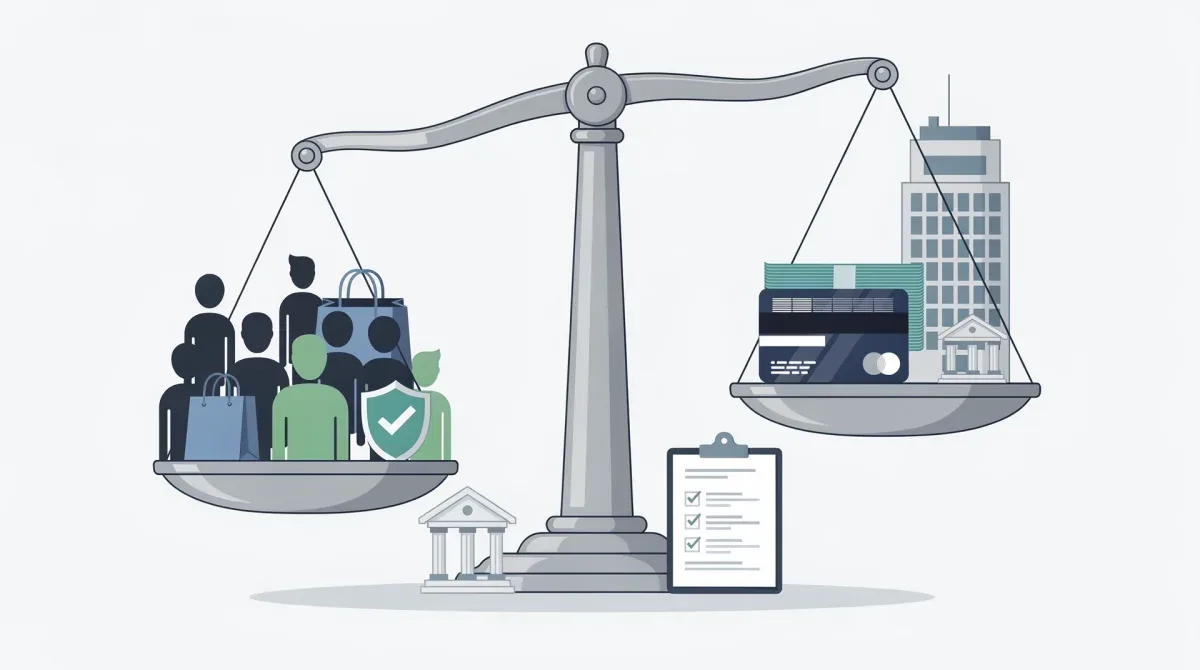
The enforcement of the Reduction on Standard Credit Card Late Fees could set a precedent for future regulatory actions across other financial products. This move signals a more aggressive stance by the CFPB on consumer protection.
It may encourage the Bureau to scrutinize other types of fees charged by financial institutions, including overdraft fees, maintenance fees, and other penalty charges. This could lead to a broader re-evaluation of fee structures throughout the banking sector.
The regulatory environment is constantly evolving, and this specific action by the CFPB highlights a renewed focus on fairness and affordability for everyday Americans. It underscores a commitment to addressing issues that directly impact consumer financial well-being.
Future Regulatory Landscape and Consumer Advocacy
Increased Scrutiny: Other financial fees may come under the CFPB's microscope, leading to potential new regulations.
Consumer Empowerment: The rule empowers consumer advocacy groups to push for further protections in other areas of finance.
Industry Adaptation:1 Financial institutions may proactively review their fee structures to avoid future regulatory interventions.
The CFPB late fee reduction is a clear indicator that consumer protection will remain a top priority for financial regulators. This proactive approach aims to foster a more transparent and equitable financial marketplace.
Consumer Strategies in the New Fee Environment
With the CFPB late fee reduction now in effect, consumers have an opportunity to re-evaluate their credit card usage and payment habits. While late fees are significantly lower, avoiding them altogether remains the best financial practice.
Consumers should prioritize timely payments and consider setting up automatic payments to prevent accidental late fees. Understanding the terms and conditions of their credit cards, including grace periods and payment due dates, is more important than ever.
This new environment also provides an impetus for consumers to shop around for credit cards with the most favorable terms, as issuers may adjust their offerings in response to the regulatory changes. Being an informed consumer is key to maximizing the benefits of these new protections.
Potential Challenges and Unintended Consequences
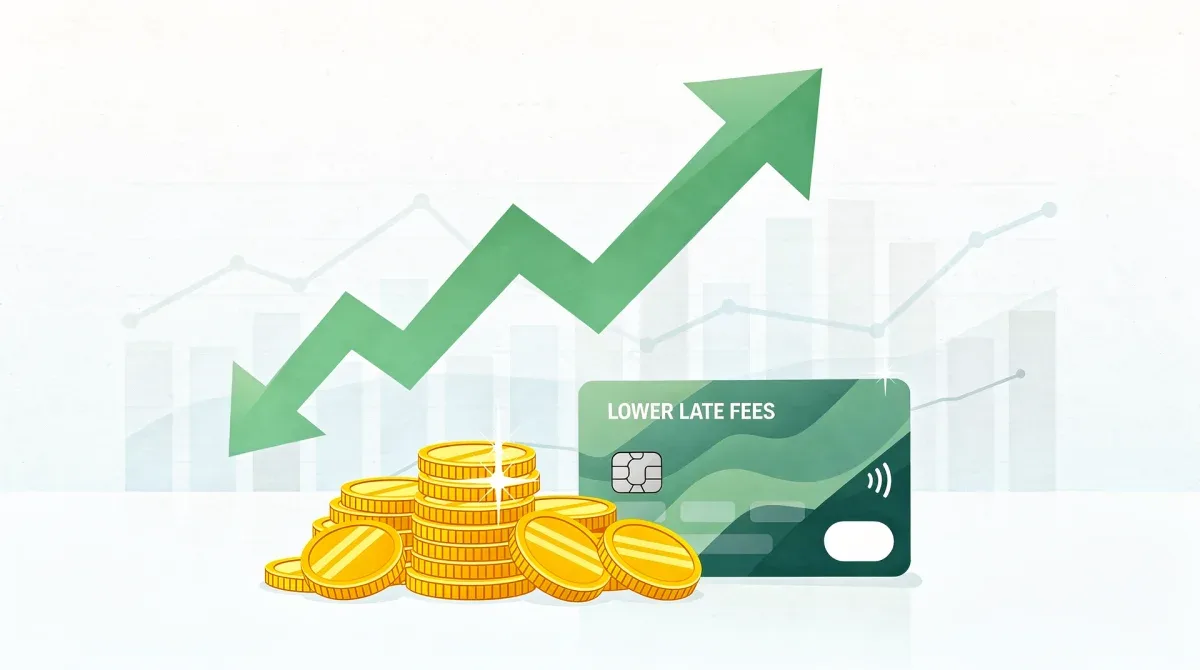
While the Reduction on Standard Credit Card Late Fees aims to benefit consumers, some analysts predict potential unintended consequences. Credit card issuers might seek to recover lost revenue through other means.
This could manifest as higher annual fees, increased interest rates for certain borrowers, or a tightening of credit availability, particularly for subprime borrowers. Such adjustments could inadvertently harm segments of the population the rule intends to protect.
Furthermore, there is a debate about whether significantly lower late fees might reduce the incentive for consumers to make payments on time, potentially leading to an increase in overall delinquency rates. The CFPB will likely monitor these trends closely.
Navigating the New Credit Card Landscape
The new rule from the CFPB late fee reduction fundamentally shifts how credit card late fees are assessed. For consumers, this means a significant reduction in the financial penalty for a missed payment, offering a much-needed reprieve.
For credit card issuers, it necessitates a recalibration of their business models and revenue strategies. The long-term effects will depend on how both consumers and the industry adapt to these changes, and whether further regulatory actions are initiated.
Staying informed about these developments and understanding the specific terms of one's credit card agreements will be crucial for all stakeholders in this evolving financial environment. The focus remains on promoting a fair and transparent credit market.
Key Point | Brief Description |
|---|---|
Fee Cap | Standard credit card late fees reduced to $8 for large issuers. |
Consumer Savings | Billions of dollars saved annually for American households. |
Industry Impact | Credit card issuers face revenue adjustments and potential business model changes. |
Regulatory Precedent | Sets a precedent for future scrutiny of fees across financial products. |
Frequently Asked Questions About the New Late Fee Rule
What is the main change in credit card late fees?▼
The Consumer Financial Protection Bureau (CFPB) has reduced the standard credit card late fee cap from around $32 to $8 for most large issuers. This represents a 75% reduction, aiming to prevent excessive charges and alleviate consumer financial burdens.
Who is affected by the CFPB's new rule?▼
Primarily, American consumers who hold credit cards from large issuers (those with over one million accounts) will benefit from lower late fees. Credit card companies themselves are also significantly impacted, requiring adjustments to their fee structures and business models.
Why did the CFPB enforce this reduction?▼
The CFPB determined that credit card late fees often far exceeded the actual costs incurred by issuers for processing late payments, acting more as profit centers. The reduction aims to make fees reasonable and proportionate, as mandated by the CARD Act.
Will this lead to other fee increases or changes?▼
Some industry analysts suggest that credit card issuers might seek to recover lost revenue through other means, such as higher annual fees, increased interest rates, or tighter credit availability. The CFPB will likely monitor these potential secondary impacts closely.
What should consumers do in response to this change?▼
Consumers should continue to prioritize making payments on time to avoid fees entirely. It's also wise to review credit card terms, set up automatic payments, and shop for cards with the most favorable terms as the industry adapts to the new regulations.
Impact and Implications
The Reduction on Standard Credit Card Late Fees marks a significant shift in consumer finance regulation. This action not only provides immediate relief to cardholders but also signals a potential long-term trend towards greater regulatory oversight of financial service fees.
It is crucial for both consumers and financial institutions to understand these changes and their broader implications, as the landscape of credit card offerings and consumer protections continues to evolve in the coming months.