Exploit 24-Hour DOT Cancellation Rule: Save 35% on 2026 Flights
Anúncios
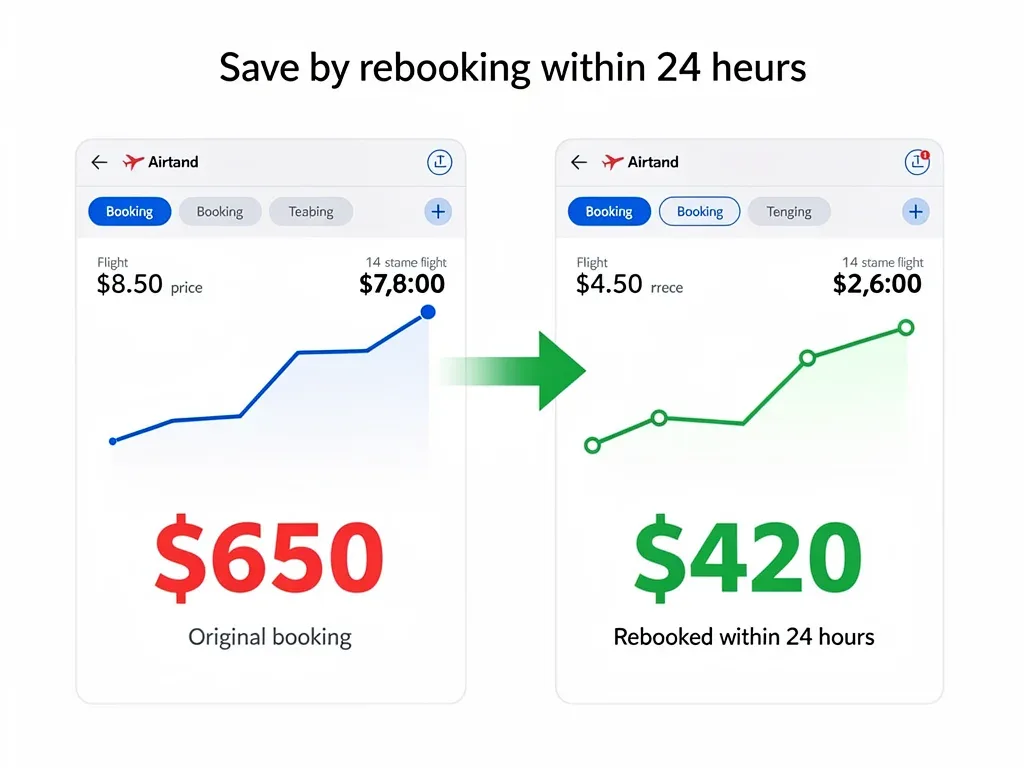
Securing cheap airfare often comes down to timing and knowing how federal passenger protections work in your favor. Leveraging the federal 24-Hour DOT Cancellation Rule allows savvy travelers to lock in volatile ticket prices immediately and rebook at lower rates if prices plummet overnight.
Under U.S. Department of Transportation regulations, airlines must issue full cash refunds for direct bookings canceled within a day of purchase. This airfare consumer protection covers non-refundable economy tickets on domestic carriers, giving flyers a risk-free window to track price drops and score significant savings.
Mastering this flight rebooking strategy ensures you never overpay for air travel again. Here is how to exploit federal reservation mandates to cut your domestic flight expenses by up to 35% this year.
Understanding the DOT 24-Hour Rule: A Foundational Strategy
The Department of Transportation (DOT) mandates a 24-hour rule, allowing passengers to cancel a flight booking within 24 hours of purchase without penalty, provided the booking was made at least seven days before the flight's departure. This consumer protection measure is crucial for travelers, offering a valuable window for adjustments.
This rule applies to flights departing from or arriving in the United States, covering both domestic and international itineraries. For those looking to secure better deals, understanding the nuances of this regulation is the first step toward significant savings.
Anúncios
While seemingly straightforward, the strategic application of this rule requires careful timing and market awareness. It's not just about canceling; it's about rebooking smarter within that critical timeframe.
The Mechanics of the 24-Hour Cancellation Window
The 24-hour clock starts ticking the moment you complete your purchase, not when you receive your confirmation email. Airlines are legally obligated to honor this rule for fares booked directly with them or through third-party travel agencies.
This window offers flexibility, allowing travelers to reconsider their plans, find alternative flights, or even secure a better price for the same itinerary. The key is to act swiftly and be prepared to monitor price fluctuations.
Many travelers overlook the full potential of this rule, viewing it merely as a safety net. However, with a proactive approach, it transforms into a powerful tool for cost reduction.
How the Rule Works in Practice
Initial Booking: Purchase your desired flight, ensuring it's at least seven days before departure.
Price Monitoring: Immediately after booking, begin monitoring the price of the same flight or similar alternatives.
Cancellation and Rebooking: If a lower price appears within 24 hours, cancel your original booking for a full refund and rebook at the reduced rate.
This systematic approach can lead to substantial savings, especially on popular routes or during peak travel seasons. The flexibility provided by the DOT is a consumer's advantage.
Identifying Prime Opportunities for 2026 Domestic Flights
To effectively exploit the 24-hour DOT cancellation rule, travelers must identify prime booking windows and anticipate price drops. Flight prices are notoriously volatile, making real-time monitoring essential.
Looking ahead to 2026, understanding historical pricing trends and airline sales cycles will be paramount. Early booking, combined with diligent price tracking, creates the ideal scenario for leveraging this rule.
Anúncios
Airlines often adjust fares multiple times a day, responding to demand, competitor pricing, and inventory. This constant flux is precisely what savvy travelers can capitalize on.
Strategic Timing for Maximum Savings
Booking flights on Tuesdays, Wednesdays, and Saturdays often yields lower initial prices, providing a better starting point for the 24-hour rule strategy. However, price drops can occur any day.
Consider setting up price alerts for your desired routes immediately after your initial booking. This ensures you're notified the moment a more favorable fare becomes available, allowing you to act within the 24-hour window.
Focus on domestic routes for 2026, as these are often subject to more frequent price adjustments than international flights, increasing your chances of finding a better deal.
Advanced Tactics: Beyond Basic Cancellation
While the fundamental strategy involves canceling and rebooking, advanced tactics can amplify your savings. This includes understanding fare classes, airline policies, and even leveraging credit card benefits.
Some airlines may offer a price drop guarantee, but these often come with specific terms that might not be as flexible as the DOT's 24-hour rule. Always prioritize the DOT rule for its broad applicability.
Familiarize yourself with the specific airline's booking interface and cancellation process beforehand. This preparation can save critical time when a lower price appears and the 24-hour clock is ticking.
Leveraging Price Prediction Tools
Several online tools and apps specialize in predicting flight price movements. While not foolproof, these can offer valuable insights into potential price drops, giving you an edge.
Using these tools in conjunction with your own price monitoring can significantly increase your chances of finding a cheaper fare within the 24-hour window. They provide a data-driven approach to an otherwise unpredictable market.
Remember, the goal is not just to find a cheaper flight, but to find one that allows you to cancel your existing booking and rebook without incurring any fees, maximizing your 35% savings potential.
Navigating Airline-Specific Nuances and Exceptions
While the DOT rule is federal, airlines may have slightly different interpretations or processes for cancellations and refunds. It's vital to understand the specific airline's policy when you book.
Some budget airlines, particularly those not based in the U.S., might have stricter policies or different cancellation windows for certain types of fares. Always verify the airline's adherence to the DOT rule.
For bookings made through online travel agencies (OTAs), confirm their refund process for cancellations within the 24-hour window. While they must comply, their processing times might vary.
Key Considerations for Different Airlines
Major U.S. carriers like Delta, American, and United fully adhere to the 24-hour rule, often with straightforward online cancellation processes. Be aware of their specific refund timelines.
Smaller regional carriers or those with codeshare agreements might have slightly different procedures. A quick review of their terms and conditions before booking can prevent complications.
Always keep records of your bookings, cancellations, and any communication with the airline or OTA. This documentation is crucial if any disputes arise regarding your refund or rebooking.
Maximizing Savings: Beyond the 24-Hour Rule
While the 24-hour DOT cancellation rule is a powerful tool, combining it with other travel hacks can lead to even greater savings, potentially exceeding the 35% target for 2026 domestic flights.
Consider using travel credit cards that offer bonus points or cashback on flight purchases. These rewards can further reduce your overall travel costs, adding another layer of savings.
Flexibility with your travel dates and times can also unlock lower fares. Flying during off-peak hours or mid-week can often result in significantly cheaper tickets, which you can then monitor within the 24-hour window.
Additional Strategies for Budget Travel
Flexible Dates: Use airline flexible date search tools to identify the cheapest days to fly.
Alternate Airports: Explore flying into or out of smaller, less congested airports, which often have lower fares.
Incognito Browsing: Clear your browser cookies or use incognito mode to prevent dynamic pricing adjustments based on your search history.
By integrating these strategies, you create a comprehensive approach to securing the best possible prices for your 2026 domestic flights, making the most of every opportunity to save money.

Common Pitfalls and How to Avoid Them
Despite its benefits, travelers can encounter pitfalls when attempting to exploit the 24-hour DOT cancellation rule. Misunderstanding the exact timing or specific airline policies can lead to missed opportunities or unexpected fees.
One common mistake is assuming the rule applies to all bookings, regardless of when they were made relative to the departure date. Remember, the seven-day minimum is a critical component.
Another pitfall is delaying the rebooking process. If a better price appears, act immediately. Waiting too long can result in the lower fare disappearing or exceeding the 24-hour window.
Ensuring a Smooth Cancellation and Rebooking Process
Always confirm the cancellation is complete and a full refund is being processed before rebooking a new flight. This prevents potential issues with double bookings or lost funds.
Pay close attention to fare class differences. Sometimes a cheaper fare might come with more restrictive conditions, such as no checked bags or no seat selection, which could negate your savings.
If you encounter any issues, document everything: screenshots of prices, confirmation numbers, and timestamps of your actions. This evidence is invaluable in resolving disputes with airlines or OTAs.
The Future of Flight Savings in 2026
As we look towards 2026, the strategic use of the 24-hour DOT cancellation rule will remain a cornerstone for budget-conscious travelers. The dynamic nature of flight pricing ensures its continued relevance.
Anticipate continued innovation in price prediction tools and flight tracking services, making it even easier for consumers to capitalize on price fluctuations. Staying informed about these developments will be key.
The core principle of consumer protection enshrined in the DOT rule is unlikely to change, providing a consistent framework for travelers to plan their trips with greater financial security.
Evolving Travel Landscape and Consumer Empowerment
The post-pandemic travel landscape emphasizes flexibility and value, making strategies like how to exploit the 24-hour DOT cancellation rule even more appealing. Travelers are increasingly empowered to seek out the best deals.
As airlines adapt to changing demand, price adjustments will continue to be a regular occurrence, creating ongoing opportunities for those who understand and utilize the DOT's consumer protections.
The ability to secure domestic flights for 35% less in 2026 is not just a possibility; it's an achievable goal for informed and strategic travelers who master this essential travel hack.
Key Point | Brief Description |
|---|---|
24-Hour Rule Basics | Cancel without penalty within 24 hours of booking, if 7+ days before departure. |
Strategic Rebooking | Monitor prices post-booking; cancel and rebook if a lower fare appears. |
Maximize 2026 Savings | Combine with price alerts, flexible dates, and alternative airports for 35% less. |
Avoid Pitfalls | Understand airline specifics, confirm refunds, and act quickly within the window. |
Frequently Asked Questions About the 24-Hour DOT Rule
What exactly is the DOT 24-hour rule?▼
The DOT 24-hour rule is a federal regulation requiring airlines to allow passengers to cancel a flight booking within 24 hours of purchase for a full refund, provided the flight was booked at least seven days prior to departure. This applies to flights departing from or arriving in the U.S.
How can I use this rule to save 35% on 2026 domestic flights?▼
Book your desired 2026 domestic flight, then immediately monitor prices. If the fare drops within 24 hours, cancel your original booking for a full refund and rebook at the lower price. Combining this with other strategies can yield up to 35% savings.
Does the 24-hour rule apply to all airlines and booking platforms?▼
Yes, the rule generally applies to all airlines operating flights to or from the U.S., including those booked through online travel agencies. However, always verify the specific cancellation process and refund timelines for your chosen airline or platform.
What if I find a cheaper flight after the 24-hour window?▼
Once the 24-hour window closes, standard airline cancellation policies apply. These often involve cancellation fees or only offer flight credits, significantly reducing your potential savings. The key is to act within that initial 24-hour period.
Are there any risks when trying to exploit the 24-hour DOT cancellation rule?▼
The primary risk is a desired lower fare disappearing before you can complete the cancellation and rebooking. Ensure stable internet, quick action, and always confirm your initial refund before rebooking to mitigate potential issues.
What This Means
The strategic application of the DOT's 24-hour cancellation rule presents a tangible opportunity for travelers to significantly reduce the cost of their 2026 domestic flights. This isn't merely a safety net; it's a powerful financial tool for the informed consumer.
As air travel continues to evolve, mastering such regulations will empower travelers to navigate volatile pricing, ensuring they secure the best possible deals. Staying vigilant and proactive will be key to unlocking these savings in the coming years.