Stop Overpaying for Seat Selection: The 72-Hour Check-In Window Trick That Unlocks Premium Economy for $0
Anúncios
Paying steep upgrade fees for extra legroom is a habit budget-conscious travelers can easily drop. Understanding airline algorithm resets allows savvy flyers to claim premium economy seats at zero extra charge simply by timing their online check-in.
When airlines open their 72-hour departure window, unassigned preferred seating and extra-legroom rows transition to complimentary status. Catching these inventory releases before standard check-in opens lets you snag upgraded cabin space without spending a dime.
Setting simple departure reminders and monitoring seating charts early guarantees a vastly superior flight experience for free. Here is how to master the check-in timing trick and unlock complimentary upgrades on your next flight.
Unveiling the 72-Hour Check-In Window Strategy
The core of this travel hack lies in the period leading up to your flight's departure, specifically the 72-hour mark before check-in officially opens. During this time, airlines often begin to finalize their passenger manifests and seat assignments.
Many premium economy seats, initially reserved for passengers who paid extra or held higher loyalty status, may become available to a broader pool of travelers. This happens as airlines aim to fill every seat, optimizing their cabin layout and ensuring maximum occupancy.
Anúncios
By understanding this dynamic, travelers can position themselves to snag these coveted seats at no additional cost. It’s a matter of timing and knowing precisely when and how to act to capitalize on these opportunities.
Why Airlines Release Premium Economy Seats
Airlines prioritize revenue, and paid seat selections are a significant part of that. However, as the departure time approaches, their focus shifts from maximizing individual seat revenue to maximizing overall flight capacity and customer satisfaction.
If premium economy seats remain unsold, airlines face a choice: let them go empty or offer them to economy passengers. Many choose the latter, especially within a specific timeframe, to enhance the passenger experience and reduce the likelihood of empty seats.
This strategy minimizes losses from unsold premium inventory and can even improve customer goodwill. It's a calculated risk that often benefits the diligent traveler who knows when to look.
The Mechanism Behind Free Upgrades
The mechanism is rooted in the airline's internal algorithms and operational procedures. As the flight approaches, the system identifies unassigned premium economy seats and, in some cases, makes them available to economy passengers during online check-in.
This isn't a guaranteed upgrade, but rather an opportunity that arises from the airline's need to fill seats efficiently. It's a strategic move by the airline that, when understood, can be leveraged by passengers who want to stop overpaying for seat selection.
The key is that these seats are not explicitly advertised as free upgrades; instead, they appear as standard available seats during the online check-in process, often without an additional charge. This is the essence of the premium economy trick.
Anúncios
Timing is Everything: Maximizing Your Chances
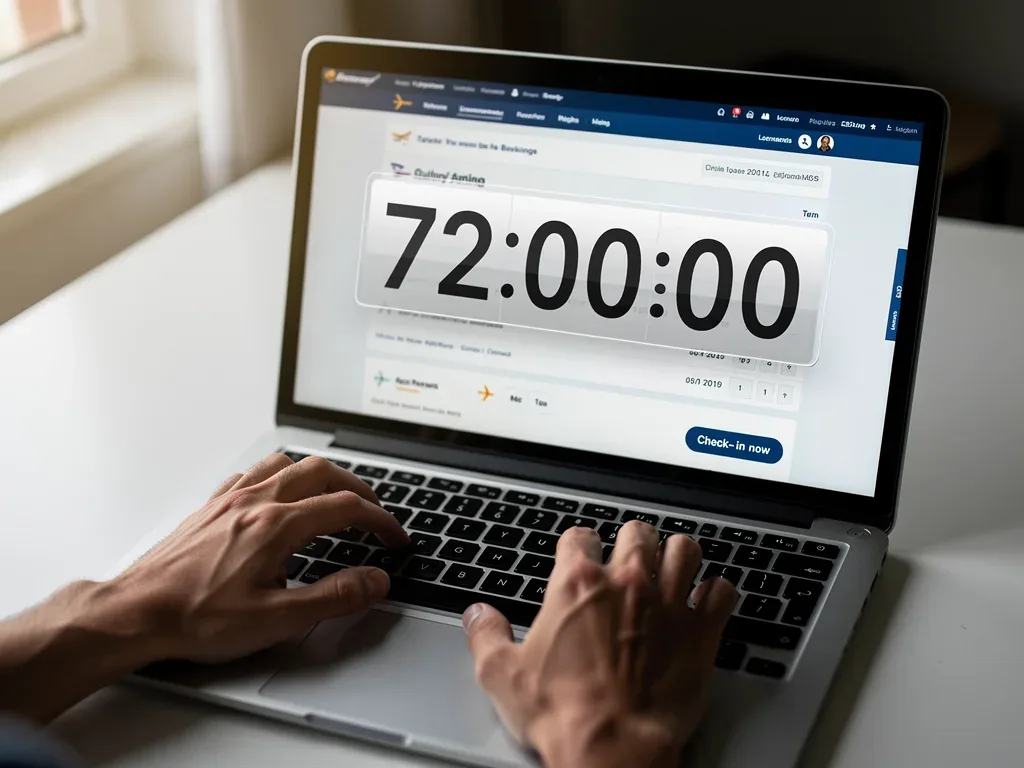
Successfully implementing the 72-hour check-in window trick hinges entirely on precise timing. Travelers must be vigilant and ready to act as soon as the window opens, as these opportunities are often fleeting and highly competitive.
The moment online check-in becomes available, usually 24 to 48 hours before departure, is your prime opportunity. However, the preparatory work begins even earlier, around the 72-hour mark, when airlines start their final seat audits.
Being prepared means having all your flight details at hand and being ready to log in and check your seat options promptly. This proactive approach significantly increases your likelihood of success with the premium economy trick.
Monitoring Seat Maps Before Check-In
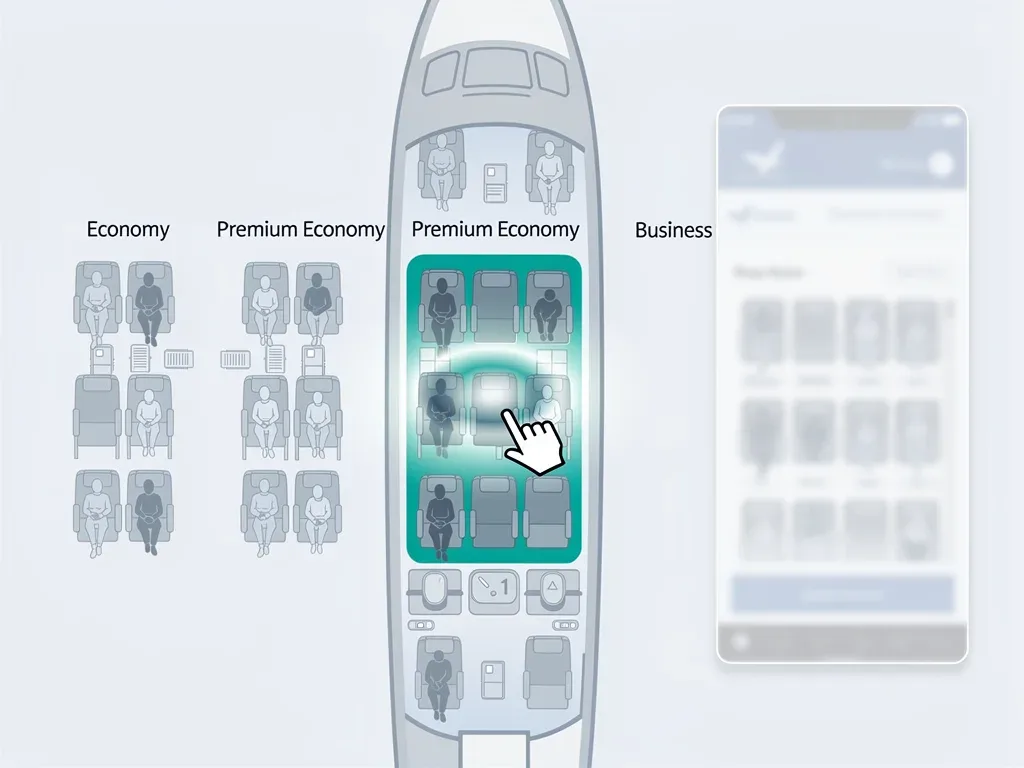
Even before the check-in window officially opens, you can begin monitoring the seat map for your flight. Websites like ExpertFlyer or SeatGuru provide insights into seat availability, allowing you to track which premium economy seats are still open.
While these sites don't guarantee that those seats will become free, they offer a valuable indication of potential opportunities. A seat map showing several empty premium economy seats is a good sign that the 72-hour check-in window trick might pay off.
This pre-check-in monitoring helps you identify specific seats you might target and gives you a strategic advantage when the check-in window opens. Knowledge is power when you want to stop overpaying for seat selection.
The Online Check-In Rush
When online check-in opens, it's often a race against other informed travelers. Log in immediately and navigate to the seat selection page. Look for premium economy seats that are now available without an additional charge.
These seats will typically be marked as standard selection or simply open, rather than showing a price or being grayed out. Act quickly to select your desired seat before another passenger claims it.
This rush period is critical, and a fast internet connection combined with readiness to click can make all the difference in securing a premium economy seat for free. This is the moment to execute the premium economy trick.
Identifying Eligible Flights and Airlines
Not all flights or airlines are equally susceptible to the 72-hour check-in window trick. Certain routes, aircraft types, and airline policies make this strategy more effective. Understanding these nuances is key to consistently securing premium economy seats without extra cost.
Generally, longer international flights on airlines with a dedicated premium economy cabin are the best candidates. These flights often have a higher number of premium economy seats, increasing the chances of some remaining unassigned.
Researching airline-specific check-in policies and past passenger experiences can also provide valuable insights. The more information you gather, the better your chances to stop overpaying for seat selection.
Aircraft Configuration and Route Length
Flights operated by wide-body aircraft (like Boeing 777, 787, Airbus A330, A350) are more likely to have a premium economy cabin. These aircraft are typically used on long-haul routes, where the comfort of a premium economy seat is more appealing.
Short-haul or domestic flights, especially on narrow-body aircraft, often lack a distinct premium economy section or offer only 'economy plus' seats with minimal differences. Focus your efforts on longer international journeys to maximize the potential of the premium economy trick.
The longer the flight, the higher the perceived value of an upgrade, making it a more attractive target for this strategy. This is where the 72-hour check-in window trick truly shines.
Airline-Specific Policies and Flexibility
Different airlines have varying policies regarding seat assignments and upgrades. Some airlines are more flexible in releasing premium economy seats closer to departure, while others maintain stricter control.
Airlines known for their customer-centric approaches or those frequently flying with partially empty premium cabins might be better targets. Online forums and travel communities are excellent resources for gathering airline-specific intelligence on this premium economy trick.
It's crucial to understand that even within the same airline, policies can vary by route or even by specific flight. Always do your homework to stop overpaying for seat selection effectively.
Beyond the 72-Hour Window: Other Strategies
While the 72-hour check-in window trick is highly effective, it's not the only way to secure a better seat without paying full price. Several other strategies can complement this approach or serve as alternatives when the primary trick doesn't yield results.
These include being polite and asking at the gate, utilizing airline loyalty status, or even considering bidding for upgrades. Combining multiple tactics can further increase your chances of flying in greater comfort.
The goal remains the same: to stop overpaying for seat selection and enhance your travel experience. Diversifying your approach provides more opportunities for success.
Gate Agent Upgrades and Courtesy
A simple, polite request at the boarding gate can sometimes lead to an unexpected upgrade. Gate agents have the authority to make last-minute seat changes, especially if the premium economy cabin isn't full.
Approaching the gate agent with a friendly demeanor and a clear, concise request can work wonders. Be prepared for a 'no,' but remember that a 'yes' is always a possibility, particularly if you're traveling solo or if there are operational reasons for the airline to move passengers.
This strategy relies heavily on the availability of seats and the discretion of the gate agent, but it costs nothing to ask. It's a low-effort, potentially high-reward addition to your premium economy trick arsenal.
Leveraging Loyalty Programs and Credit Cards
Airline loyalty status can significantly improve your chances of complimentary upgrades. Elite members are often prioritized for available premium seats, sometimes even before the 72-hour window.
Certain co-branded airline credit cards also offer benefits like free seat selection or upgrade certificates. These perks can effectively help you stop overpaying for seat selection, even if not directly related to the 72-hour check-in window trick.
Building loyalty with a specific airline or leveraging credit card benefits provides a consistent advantage for securing better seats. It's a long-term strategy that pays off for frequent travelers.
Common Pitfalls and How to Avoid Them
While the 72-hour check-in window trick offers a fantastic opportunity to secure premium economy seats for free, it's not without its challenges. Travelers need to be aware of common pitfalls to maximize their success and avoid disappointment.
One frequent issue is missing the narrow window of opportunity due to forgetfulness or technical issues. Another is misinterpreting airline policies, leading to false expectations about seat availability.
Being prepared and understanding the limitations of this strategy are crucial to effectively stop overpaying for seat selection. A proactive and informed approach will yield the best results.
Missing the Check-In Window
The online check-in window is often brief, typically opening 24 to 48 hours before departure. If you miss this crucial period, the opportunity to snag a free premium economy seat might disappear.
Setting reminders on your phone or calendar is a simple yet effective way to ensure you don't miss the opening of the check-in window. Being punctual and ready to act quickly is paramount for this premium economy trick.
Even a few minutes can make a difference, as other savvy travelers are also vying for these desirable seats. Timeliness is your greatest asset in this endeavor.
Misinterpreting Seat Availability
Just because a premium economy seat appears empty on a seat map days before the flight doesn't mean it will automatically become free. Airlines often hold back these seats for various reasons, including last-minute sales or operational adjustments.
The 72-hour check-in window trick relies on the airline's decision to release these seats, which is not guaranteed. Avoid assuming that an empty seat map guarantees a free upgrade; instead, view it as a strong possibility.
Maintain realistic expectations and be prepared for scenarios where the seats remain paid or are allocated to other passengers. This balanced perspective helps manage expectations when trying to stop overpaying for seat selection.
The Financial Impact: Significant Savings
The financial benefits of successfully utilizing the 72-hour check-in window trick are substantial. Premium economy seats can cost anywhere from $100 to several hundred dollars more than standard economy, depending on the route and airline.
By consistently applying this strategy, travelers can accumulate significant savings over time, which can then be allocated to other aspects of their trip. This trick transforms a potentially expensive upgrade into a free perk.
Imagine the cumulative savings across multiple flights in a year; the financial impact is undeniable. This is a powerful way to stop overpaying for seat selection and optimize your travel budget.
Calculating Your Potential Savings
To understand the full financial impact, consider the average cost difference between economy and premium economy on your frequent routes. If a premium economy upgrade costs $150 per flight, and you fly four times a year, that's $600 in potential savings.
For families or groups, these savings multiply rapidly. Even a single successful application of the premium economy trick can make a noticeable difference in your travel expenses.
These calculations underscore the value of mastering this strategy. It’s not just about comfort; it's about smart financial planning for your travels. This is why learning to stop overpaying for seat selection is so beneficial.
Investing Savings Back into Travel
The money saved by not overpaying for seat selection can be reinvested into enhancing other parts of your travel experience. This could mean a nicer hotel, a gourmet meal, or an exciting excursion at your destination.
Instead of viewing seat selection as an unavoidable expense, savvy travelers can turn it into an opportunity to free up funds. This allows for a more luxurious or adventurous trip overall, without increasing the total budget.
The 72-hour check-in window trick empowers you to make your travel budget go further, truly embodying the spirit of smart travel. It’s about more than just a seat; it’s about a richer travel experience.
Ethical Considerations and Fair Play
While leveraging airline policies to your advantage is smart, it's important to consider the ethical implications and ensure you're always acting within the bounds of fair play. The 72-hour check-in window trick is about utilizing existing airline procedures, not exploiting loopholes.
This strategy relies on airlines making unsold premium economy seats available for free, which is a legitimate operational decision on their part. It's not about cutting lines or taking advantage of other passengers.
Travelers who use this method are simply being observant and proactive, ensuring they benefit from opportunities that airlines themselves create. This is a legitimate way to stop overpaying for seat selection.
Respecting Airline Policies
Always ensure that your actions align with the airline's terms and conditions. The 72-hour check-in window trick operates within these boundaries, as it involves selecting available seats during the official check-in process.
Avoid any attempts to manipulate booking systems or misrepresent your status. Such actions can lead to penalties, including loss of seat, or even being banned from future flights.
Operating ethically ensures that this valuable travel hack remains a sustainable strategy for everyone. It's about smart travel, not dishonest practices, when you aim to stop overpaying for seat selection.
Consideration for Other Passengers
While pursuing a better seat, remember to be considerate of fellow travelers. The goal is to secure a free premium economy seat, not to inconvenience others or engage in disruptive behavior.
If you successfully obtain a premium economy seat, enjoy it without boasting or drawing undue attention. The opportunity arises from airline dynamics, and it's best to handle it discreetly.
Ultimately, the 72-hour check-in window trick is a personal advantage, and maintaining a respectful attitude towards both airline staff and other passengers ensures a pleasant travel experience for all. This helps maintain the integrity of the premium economy trick.
Future of Premium Economy and Seat Selection
The landscape of airline seat selection and premium economy offerings is constantly evolving. As airlines seek to maximize revenue and enhance passenger experience, strategies like the 72-hour check-in window trick may also adapt over time.
New technologies, dynamic pricing models, and changing passenger demands will undoubtedly influence how premium economy seats are managed. Staying informed about these developments is key to maintaining your edge.
However, the fundamental principle of airlines wanting to fill empty seats is likely to persist, ensuring that opportunities to stop overpaying for seat selection will continue, albeit possibly in new forms.
Technological Advancements and Dynamic Pricing
Airlines are increasingly using sophisticated algorithms for dynamic pricing and seat allocation. These systems analyze demand, historical data, and real-time bookings to adjust prices and availability.
This means that the window of opportunity for free premium economy seats might become more unpredictable or shorter. Travelers may need to be even more vigilant and quick to act in the future.
Understanding how these technologies work can help you anticipate changes and adapt your strategy to continue benefiting from the premium economy trick. It's about staying one step ahead.
Evolving Passenger Expectations
As more travelers become aware of the benefits of premium economy, demand for these seats is likely to grow. This increased demand could lead to fewer unsold premium economy seats closer to departure.
However, it also pushes airlines to offer more competitive pricing and potentially more creative ways to entice upgrades. The market will continue to balance between premium offerings and passenger willingness to pay.
The quest to stop overpaying for seat selection will remain a priority for many, ensuring that innovative travel hacks like the 72-hour check-in window trick will always be sought after. Adaptation is key in this evolving travel environment.
Key Point | Brief Description |
|---|---|
72-Hour Window | Airlines finalize manifests, potentially releasing unsold premium economy seats for free. |
Online Check-In | Log in immediately when check-in opens (24-48 hours before flight) to select free premium economy seats. |
Eligible Flights | Longer international flights on wide-body aircraft are the best candidates for this trick. |
Avoid Pitfalls | Set reminders for check-in and manage expectations regarding seat availability. |
Frequently Asked Questions About Premium Economy Upgrades
What exactly is the 72-hour check-in window trick?▼
This trick involves monitoring airline seat maps around 72 hours before departure, then quickly checking in online as soon as it opens (24-48 hours prior). During this time, airlines may release unsold premium economy seats to economy passengers for free, to fill the cabin.
Is this trick guaranteed to work every time?▼
No, it's not guaranteed. The success of the 72-hour check-in window trick depends on several factors, including the specific airline, flight route, aircraft configuration, and the number of unsold premium economy seats. It's an opportunity, not a certainty.
Which airlines are most likely to offer free premium economy seats?▼
Airlines operating long-haul international flights on wide-body aircraft are generally better candidates. Researching specific airline policies and checking travel forums for recent experiences can provide insights into which carriers are more flexible.
What should I do if the trick doesn't work?▼
If the 72-hour check-in window trick doesn't yield a free premium economy seat, you can still try politely asking at the gate. Alternatively, consider leveraging airline loyalty status or credit card benefits for future upgrade opportunities, or bidding for an upgrade if available.
Does this strategy apply to business or first class?▼
While the principle of airlines filling empty seats exists across all cabins, the 72-hour check-in window trick is primarily effective for premium economy. Business and first-class upgrades are typically handled through paid upgrades, loyalty programs, or operational necessities, rarely becoming free during standard check-in.
Looking Ahead
The insights into how to premium economy seats provide a clear pathway for more comfortable and cost-effective travel. As the travel industry continues to evolve, understanding and adapting to airline policies will remain paramount for savvy travelers.
Keeping an eye on technological advancements in seat allocation and dynamic pricing models will be crucial to sustain this advantage. This strategy empowers passengers to take control of their flight experience, ensuring better value for their journeys.