Road Trip Ready: 7 Essential Vehicle Maintenance Checks for 2026 US Journeys

Anúncios
The latest updates on Road Trip Ready: 7 Essential Vehicle Maintenance Checks Before Any Long US Journey in 2026 are now a priority for travelers across the United States.
As a result, new industry insights highlight how proactive inspections can prevent costly breakdowns and ensure passenger safety.
By focusing on what has changed and why it matters, this guide provides a straightforward framework for your next adventure. Ultimately, staying informed on these maintenance essentials is the key to a reliable and stress-free journey.
Preparing for the Open Road: Why 2026 Demands Proactive Checks
Embarking on a cross-country adventure across the United States in 2026 requires more than just a mapped-out itinerary and a full tank of gas.
The evolving landscape of vehicle technology and the sheer scale of American highways demand a proactive approach to maintenance, ensuring safety and preventing unexpected disruptions.
Ignoring crucial vehicle checks can transform a dream road trip into a nightmare, leading to costly repairs, delays, and potential safety hazards. Understanding and implementing essential maintenance steps before departure is paramount for a smooth and enjoyable journey.
This guide serves as a critical resource for anyone planning a long US journey in 2026, outlining seven non-negotiable vehicle maintenance checks. These steps are designed to equip travelers with the knowledge needed to ensure their vehicle is truly road trip ready.
Tire Health: The Foundation of a Safe Journey
The condition of your tires is arguably the most critical factor for any long-distance travel, directly impacting handling, braking, and fuel efficiency.
Anúncios
Neglecting tire maintenance can lead to blowouts, loss of control, and significantly increased risks on the highway.
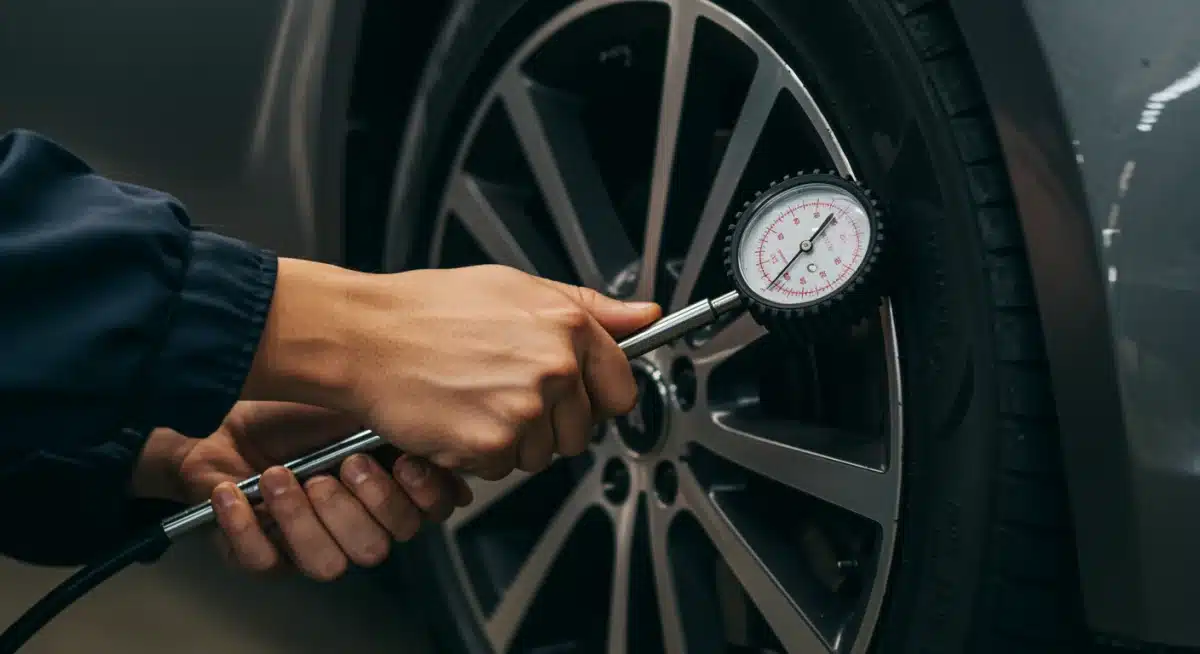
Before setting out, a comprehensive tire inspection is non-negotiable. This includes checking tread depth, tire pressure, and looking for any signs of wear or damage that could compromise their integrity.
Ensuring your tires are in optimal condition is a fundamental step in being road trip ready. It provides peace of mind and a safer foundation for covering thousands of miles.
Checking Tire Pressure and Tread Depth
- Proper Inflation: Always check your vehicle’s recommended tire pressure, typically found on a sticker inside the driver’s side door jamb or in the owner’s manual. Under-inflated tires reduce fuel economy and increase heat buildup, while over-inflation can lead to uneven wear and a harsher ride.
- Tread Depth: Use a tread depth gauge or the ‘penny test’ to ensure adequate tread. Insert a penny into a tread groove with Lincoln’s head upside down; if you can see the top of his head, your treads are too shallow and need replacement.
- Visual Inspection: Look for any cracks, bulges, punctures, or embedded objects. Even minor damage can escalate into a serious issue on a long journey, especially under varying road conditions and temperatures.
These simple yet vital checks on your tires are foundational for a safe and efficient road trip. They directly contribute to the overall performance and safety of your vehicle, making you truly road trip ready.
Brake System Inspection: Uncompromised Stopping Power
A reliable braking system is crucial for safety, especially when navigating diverse terrains and unexpected traffic conditions across the expansive US road network. A compromised brake system can lead to catastrophic failures, making its inspection an absolute priority.
Checking brake pads, rotors, and fluid levels ensures your vehicle can stop effectively and consistently. Any signs of wear or unusual noises should prompt immediate professional attention before you embark on your journey.
Anúncios
Ensuring your brakes are in top condition is an essential part of being road trip ready, providing the confidence that your vehicle will respond when it matters most.
Evaluating Brake Pads and Rotors
Brake pads wear down over time, and thin pads significantly reduce stopping power. Listen for squealing or grinding noises, which often indicate worn pads needing replacement.
Rotors can become warped or grooved, leading to vibrations when braking and reduced effectiveness. A visual inspection can reveal uneven wear or scoring, suggesting they may need resurfacing or replacement.
Never overlook the feel of your brake pedal; if it feels spongy or goes too far down, there might be air in the lines or a fluid leak, requiring immediate professional diagnosis for your road trip ready vehicle.
Fluid Levels and Leaks: The Lifeblood of Your Engine
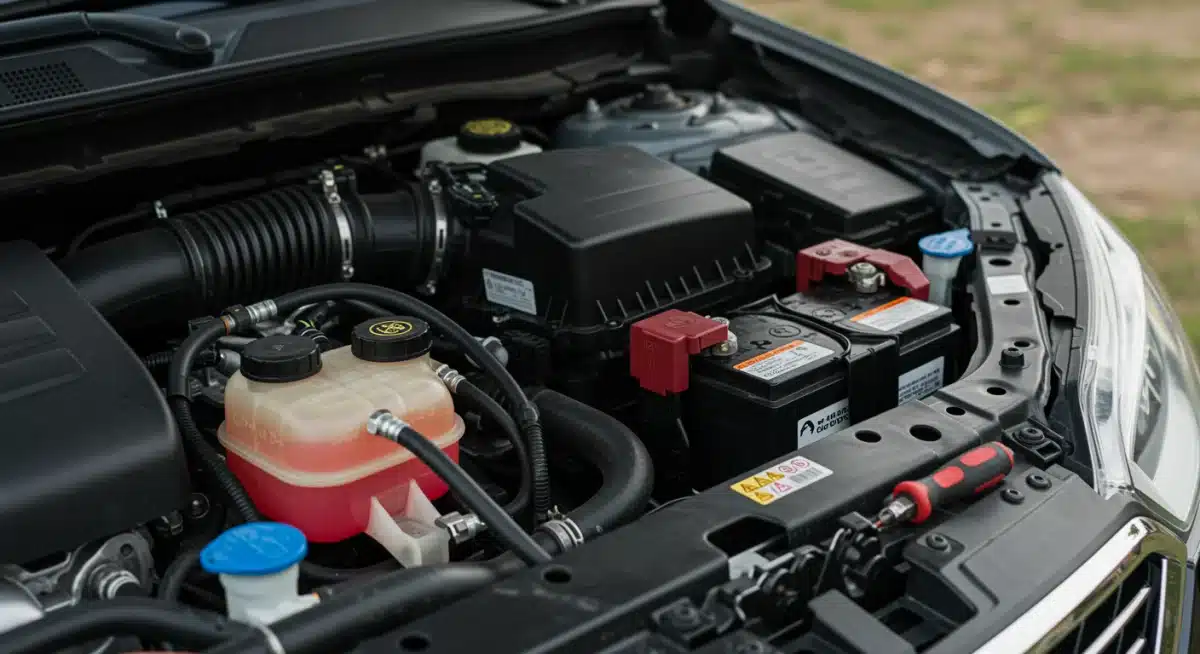
Your vehicle’s various fluids—engine oil, coolant, brake fluid, power steering fluid, and windshield wiper fluid—are vital for its proper functioning and longevity. Low or contaminated fluids can lead to overheating, poor performance, and severe engine damage.
Regularly checking these levels and inspecting for any leaks beneath your vehicle can prevent major mechanical breakdowns. It’s a simple yet highly effective way to maintain your vehicle’s health.
Keeping all fluid levels optimal and addressing any leaks promptly is a key component of being road trip ready, ensuring your engine runs smoothly throughout your travels.
Essential Fluid Checks
- Engine Oil: Check oil level and condition using the dipstick. Dirty, dark oil or a low level indicates a need for an oil change or top-off.
- Coolant: Ensure coolant is at the appropriate level in the reservoir and check its color. Discolored coolant might suggest contamination or a need for flushing.
- Brake Fluid: The brake fluid reservoir should be checked; a low level could indicate worn pads or a leak in the system, which is critical for a road trip ready vehicle.
- Power Steering Fluid: If your vehicle has hydraulic power steering, check its level. Low fluid can lead to difficult steering and potential pump damage.
- Windshield Wiper Fluid: Always keep this topped off for clear visibility, especially important for varying weather conditions encountered on a long journey.
Addressing these fluid checks proactively strengthens your vehicle’s reliability. This diligence is crucial for anyone striving to be road trip ready for long distances.
Battery Health: Powering Your Journey
The battery is the heart of your vehicle’s electrical system, responsible for starting the engine and powering all electronic components. A weak or failing battery can leave you stranded, particularly in remote areas or extreme weather conditions.
Regular inspection of battery terminals for corrosion and ensuring the battery holds a charge are essential steps. Even a relatively new battery can fail if not properly maintained, making this a critical check.
A robust battery ensures consistent power, a fundamental requirement for a vehicle that is truly road trip ready, allowing you to start every day of your adventure without concern.
Inspecting Battery Terminals and Charge
Corrosion on battery terminals can impede electrical flow, leading to starting problems. Clean any white, powdery residue with a wire brush and a battery terminal cleaner solution.
Have your battery tested at an auto parts store or mechanic to assess its charge and overall health. A battery nearing the end of its life might start fine in warm weather but fail in colder temperatures or after a long stop.
Consider the age of your battery; most last between three to five years. If yours is older, replacing it before a significant trip is a wise investment towards being road trip ready.
Lights and Signals: Visibility and Communication
Properly functioning lights and signals are vital for visibility, both for you and other drivers on the road, and for communicating your intentions. Faulty lights can lead to accidents and legal issues, especially during night driving or adverse weather.
A thorough check of all exterior and interior lights, including headlights, tail lights, brake lights, turn signals, and hazard lights, is a simple yet crucial step. This ensures you can see and be seen, maintaining safety standards.
Ensuring all your vehicle’s lights are operational is a straightforward yet critical part of being road trip ready, safeguarding your journey and interactions with other traffic.
Checking All Illumination Systems
Walk around your vehicle and activate each light system individually: headlights (low and high beams), tail lights, brake lights, turn signals, and hazard lights. Have a friend or family member confirm their functionality.
Don’t forget interior lights, such as dashboard lights and dome lights, which are important for nighttime navigation and comfort. Replace any burnt-out bulbs immediately.
Also, check the alignment of your headlights. Misaligned headlights can reduce your visibility and potentially blind oncoming drivers, which is a significant concern for a road trip ready vehicle.
Wipers and Washer Fluid: Clear Vision in All Conditions
Visibility is paramount for safe driving, and your windshield wipers play a critical role in maintaining it, especially when encountering rain, snow, or road grime.
Worn-out wiper blades can smear water, obstruct your view, and significantly increase driving hazards.
Before embarking on a long journey, inspect your wiper blades for cracks, tears, or hardening, and ensure your washer fluid reservoir is full. These small details can make a huge difference in adverse conditions, making you feel road trip ready.
Ensuring your wipers and washer system are in excellent working order is a simple but effective measure for maintaining clear vision and safety throughout your travels.
Inspecting Wiper Blades and Washer System
Run your wipers and spray washer fluid to test their effectiveness. If the blades leave streaks, skip spots, or make squealing noises, it’s time for a replacement. Worn blades are ineffective and can scratch your windshield.
Check the washer fluid nozzles to ensure they spray correctly onto the windshield. Clogged nozzles can be easily cleared with a thin needle or pin.
Consider using an all-season or bug-removing washer fluid, especially if you anticipate varied weather or insect-heavy regions on your trip. This small upgrade contributes significantly to being road trip ready.
Belts and Hoses: Preventing Unexpected Breakdowns
Under the hood, your vehicle’s belts and hoses are critical components that often go unnoticed until they fail. A broken belt can lead to loss of power steering, alternator failure, or engine overheating, while a burst hose can cause a rapid loss of vital fluids.
A visual inspection for cracks, fraying, or bulges in belts and hoses can prevent significant mechanical failures. This proactive check is a straightforward way to avoid being stranded.
Ensuring the integrity of your belts and hoses is a crucial preventative measure, solidifying your vehicle’s status as road trip ready and minimizing the risk of roadside emergencies.
Checking for Wear and Tear
- Drive Belts: Inspect serpentine and other drive belts for cracks, fraying, or glazing. A shiny, glazed belt indicates wear and reduced grip.
- Hoses: Squeeze radiator and heater hoses to check for firmness. Hoses that feel spongy or excessively hard may be deteriorating and prone to bursting. Look for any visible leaks around hose connections.
- Tension: Ensure belts have proper tension. A loose belt can slip, leading to inefficient operation of the components it drives, which is vital for a road trip ready vehicle.
These detailed checks on belts and hoses are essential for maintaining engine integrity. They are a critical part of being road trip ready, ensuring all systems function harmoniously.
Emergency Kit and Documentation: Prepared for the Unexpected
While preventative maintenance significantly reduces risks, unforeseen circumstances can still arise. Having a well-stocked emergency kit and essential documentation readily accessible is crucial for handling minor mishaps or emergencies efficiently.
An emergency kit should include items like jumper cables, a first-aid kit, a flashlight, and basic tools. Furthermore, ensuring your vehicle’s registration, insurance, and emergency contact information are up-to-date and easily retrievable is non-negotiable.
Being prepared with an emergency kit and proper documentation rounds out your efforts to be road trip ready, offering a safety net for any unexpected challenges on your journey.
Assembling Your Emergency Kit
Your emergency kit should be comprehensive, including a spare tire in good condition, a jack, and a lug wrench. Jumper cables, a first-aid kit, a flashlight with extra batteries, and basic tools like a screwdriver set and pliers are also vital.
A well-stocked first-aid kit is essential for addressing minor injuries, while a reflective triangle or flares can enhance safety if you need to pull over on the roadside. Consider adding a portable air compressor for minor tire issues.
Crucially, ensure you have your driver’s license, vehicle registration, and insurance cards. Keep copies in a separate, secure location, and consider having digital copies accessible on your phone, making you truly road trip ready.
| Key Check | Importance for Road Trip Ready |
|---|---|
| Tire Health | Ensures safety, handling, and fuel efficiency on long journeys. |
| Brake System | Guarantees reliable stopping power, critical for varied road conditions. |
| Fluid Levels | Prevents overheating and engine damage, ensuring smooth operation. |
| Battery Health | Provides reliable starting power, preventing unexpected breakdowns. |
Frequently Asked Questions About Road Trip Preparation
It is recommended to check your tire pressure and tread depth at least a week before your trip, and then again the day before departure. This ensures any issues can be addressed without last-minute stress, crucial for being road trip ready for long US journeys.
While you can visually check the brake fluid level in the reservoir, it’s generally best to have a qualified mechanic inspect the brake fluid’s condition and the entire brake system. This ensures professional assessment of its quality and potential contamination, vital for a road trip ready vehicle.
Common fluid leaks include engine oil (dark brown/black), coolant (green, pink, or orange), and transmission fluid (reddish-brown). Any puddles or drips under your car warrant immediate investigation to maintain your vehicle’s road trip ready status.
If your battery is three years old or more, it’s highly recommended to have it tested. Even if it seems fine, its capacity might be reduced, increasing the risk of failure during your journey, particularly in extreme temperatures. A new battery often means peace of mind for road trip ready adventures.
Key items include jumper cables, a first-aid kit, a flashlight, basic tools, a spare tire with a jack and wrench, reflective triangles, and drinking water. These provisions are crucial for handling unexpected situations and ensuring you are road trip ready for any long US journey.
Perspectives
The emphasis on Road Trip Ready: 7 Essential Vehicle Maintenance Checks Before Any Long US Journey in 2026 underscores a growing awareness of proactive safety measures in modern travel.
As a result, as vehicles become more complex and road trips remain a popular mode of exploration, these checks serve as a vital framework for ensuring reliability.
Furthermore, travelers should integrate these inspections into their pre-trip routine to mitigate risks and enhance their overall experience.
Looking ahead, ongoing developments in vehicle technology suggest that future maintenance guides will adapt to new systems, further refining what it means to be truly prepared.
Therefore, taking the time to inspect your tires, fluids, and brakes now will prevent costly delays later. To ensure your vehicle is in peak condition, explore this comprehensive guide on getting road trip ready and drive with total peace of mind.