SEC's 2026 Transparency Standard Impacts 5,000+ Public Companies
Anúncios
Are U.S. markets ready for a major overhaul in corporate accountability? With the SEC’s new Transparency Standard taking center stage in 2026, over 5,000 publicly traded companies face sweeping changes to their reporting obligations.
This regulatory shift moves far beyond minor adjustments, fundamentally redefining adequate corporate disclosure and governance oversight. Legal teams, executives, and compliance officers are racing to align internal structures before enforcement tightens.
For investors and Wall Street analysts, clearer visibility into financial dealings brings both new risks and fresh opportunities. Discover what these heightened reporting rules mean for the future of public markets.
Understanding the SEC's 2026 Transparency Mandate
The SEC's 2026 Corporate Transparency Standard is designed to address gaps in current disclosure practices, particularly concerning beneficial ownership and complex corporate structures. This initiative stems from a broader global push towards combating financial crime and ensuring market integrity.
The new rules mandate more granular reporting on individuals who ultimately own or control a company, moving beyond nominal legal ownership. This heightened scrutiny aims to prevent illicit financial activities and provide a more accurate picture of who profits from corporate operations.
Anúncios
For public companies, this translates into a need for robust internal systems to track and report beneficial ownership information accurately and consistently. The implementation period leading up to 2026 is crucial for developing these capabilities and integrating them into existing compliance frameworks.
Key Provisions of the New Standard
Enhanced Beneficial Ownership Disclosure: Companies must identify and report all individuals with substantial control or ownership stakes, regardless of direct or indirect means.
Standardized Reporting Formats: The SEC will likely introduce new forms or amendments to existing ones, requiring specific data points to ensure uniformity and comparability across disclosures.
Increased Data Verification: Companies will face greater responsibility for verifying the accuracy of beneficial ownership information, potentially requiring deeper due diligence processes.
The implications extend beyond mere paperwork; they touch upon corporate governance, risk management, and investor relations. Companies that proactively adapt will likely gain a competitive edge in attracting capital and maintaining investor trust.
The SEC views this standard as essential for a healthy and transparent financial ecosystem. It is a direct response to evolving market complexities and the ongoing need to protect investors from opaque corporate dealings.
Impact on Public Company Operations and Compliance
The operational impact of the SEC Transparency Standard 2026 on public companies will be substantial, necessitating comprehensive reviews of internal processes and data management systems. Companies must assess their current frameworks for collecting, verifying, and reporting ownership information.
This overhaul will likely require significant investment in technology solutions and personnel training to manage the new data requirements effectively. Legal and compliance departments will play a central role in interpreting the regulations and guiding their organizations through the transition.
Failure to comply could result in severe penalties, including fines and reputational damage, making proactive preparation paramount. Companies must view this as an opportunity to strengthen their governance practices rather than just a regulatory burden.

Strategic Adjustments for Public Companies
Public companies are now evaluating their current organizational charts and ownership structures to identify potential reporting complexities. This involves mapping out all legal entities, subsidiaries, and beneficial owners to ensure complete and accurate disclosure under the new SEC Transparency Standard 2026.
Anúncios
Many firms are engaging external legal counsel and compliance consultants to navigate the nuances of the upcoming regulations. These experts provide guidance on best practices, interpret ambiguities in the rules, and help develop tailored implementation strategies for the SEC Transparency Standard 2026.
Moreover, companies are beginning to integrate these new requirements into their long-term strategic planning, understanding that compliance with the SEC Transparency Standard 2026 will be an ongoing effort. This forward-looking approach ensures that transparency becomes a core aspect of their corporate identity.
The shift demands a collaborative effort across departments, from legal and finance to IT and human resources. Ensuring all relevant personnel understand their roles in maintaining compliance is critical for successful implementation of the SEC Transparency Standard 2026.
This period of adjustment offers an opportunity for companies to streamline their data governance and enhance overall internal controls. A well-prepared company will find the transition smoother and more manageable.
Anticipated Challenges and Mitigation Strategies
Public companies are bracing for several challenges as they prepare for the SEC Transparency Standard 2026, including data collection complexities and interpretation of nuanced legal definitions. Identifying ultimate beneficial owners, especially in multi-layered international structures, can be particularly arduous.
Another significant hurdle is the potential for increased administrative burden and associated costs, as companies invest in new systems and processes. Ensuring data accuracy and maintaining ongoing compliance will require continuous effort and resources.
Mitigation strategies include early engagement with legal experts, investing in advanced compliance software, and establishing clear internal protocols for data management and reporting. Proactive communication with stakeholders is also vital to manage expectations and demonstrate commitment to transparency.
Navigating Data Collection and Verification
One of the primary challenges for companies adapting to the SEC Transparency Standard 2026 involves the meticulous collection and verification of beneficial ownership data. This often means delving into complex legal and financial arrangements that may span multiple jurisdictions and involve various trusts or holding companies.
Companies are exploring advanced data analytics tools and artificial intelligence solutions to streamline this process, ensuring that all required information is accurately captured and cross-referenced. The goal is to minimize manual errors and enhance the reliability of reported data for the SEC Transparency Standard 2026.
Furthermore, establishing robust internal audit mechanisms will be crucial to continuously verify the integrity of the data. Regular reviews will help identify discrepancies and ensure ongoing adherence to the evolving requirements of the SEC Transparency Standard 2026.
The definition of "beneficial owner" itself can be complex, requiring careful legal interpretation to ensure compliance. Companies must develop clear guidelines to apply these definitions consistently across their operations.
Effective communication channels within the organization are essential to ensure all relevant information is shared and integrated into the central reporting system. This collaborative approach helps to overcome data silos and ensures a holistic view of ownership.
Investor Confidence and Market Integrity
The SEC Transparency Standard 2026 is expected to significantly bolster investor confidence by providing greater clarity into corporate ownership and financial dealings. Transparent disclosures allow investors to make more informed decisions, reducing information asymmetry in the market.
This increased transparency also serves to enhance overall market integrity by making it more difficult for illicit activities, such as money laundering or fraud, to go undetected. A more transparent market environment fosters trust and encourages legitimate investment.
Companies that embrace these new standards are likely to be viewed favorably by investors and regulators alike, potentially leading to better access to capital and a stronger market position. The SEC Transparency Standard 2026 aligns with global efforts to create a fairer and more accountable financial system.
Building Trust Through Enhanced Disclosure
The implementation of the SEC Transparency Standard 2026 offers public companies a unique opportunity to proactively build and reinforce investor trust. By going beyond mere compliance and embracing a culture of full transparency, companies can differentiate themselves in a competitive market.
Clear and accessible disclosures regarding beneficial ownership demonstrate a commitment to ethical governance and accountability, which are increasingly valued by institutional and retail investors. This proactive approach to the SEC Transparency Standard 2026 can lead to stronger relationships with shareholders and other stakeholders.
Moreover, transparent reporting can mitigate risks associated with negative publicity or regulatory scrutiny, as companies will have already provided comprehensive insights into their structures. The SEC Transparency Standard 2026 thus becomes a tool for both compliance and enhanced corporate reputation.
A transparent corporate structure helps to attract socially responsible investors who prioritize ethical business practices. These investors often seek companies with robust governance frameworks and clear accountability. The SEC Transparency Standard 2026 will contribute to this.
Ultimately, the goal is to create a level playing field where all market participants have access to essential information. This fosters a more efficient and equitable capital market for all involved.
Regulatory Landscape and Global Alignment
The SEC Transparency Standard 2026 does not exist in isolation; it is part of a broader global trend towards increased corporate transparency and anti-money laundering efforts. Jurisdictions worldwide are implementing similar beneficial ownership registers and disclosure requirements.
This global alignment aims to create a more cohesive international framework for combating financial crime and preventing the misuse of corporate entities. The SEC's move reflects a commitment to participating in these international initiatives.
For multinational public companies, this means navigating a complex web of overlapping but not always identical regulations. Harmonizing compliance efforts across different countries will be a key challenge in the era of the SEC Transparency Standard 2026.
International Implications for Public Companies
Multinational public companies face the intricate task of reconciling the SEC Transparency Standard 2026 with beneficial ownership reporting requirements in other jurisdictions. This often involves understanding varied definitions, thresholds, and reporting timelines across different regulatory bodies.
Companies are establishing centralized compliance functions to manage these diverse obligations, aiming for a unified approach that can adapt to specific national requirements. This strategic centralization helps to minimize duplication of effort and ensures consistency in data reporting related to the SEC Transparency Standard 2026.
Furthermore, staying abreast of evolving international standards, such as those from the Financial Action Task Force (FATF), is critical. The SEC Transparency Standard 2026 is a significant step in aligning U.S. regulations with these global benchmarks.
The SEC's standard could also influence other countries to adopt similar stringent measures, further solidifying the global shift towards greater corporate transparency. This creates a more level playing field for companies operating internationally.
Companies must invest in comprehensive legal and compliance intelligence to monitor these global developments. This proactive stance ensures that they can anticipate and adapt to changes effectively.
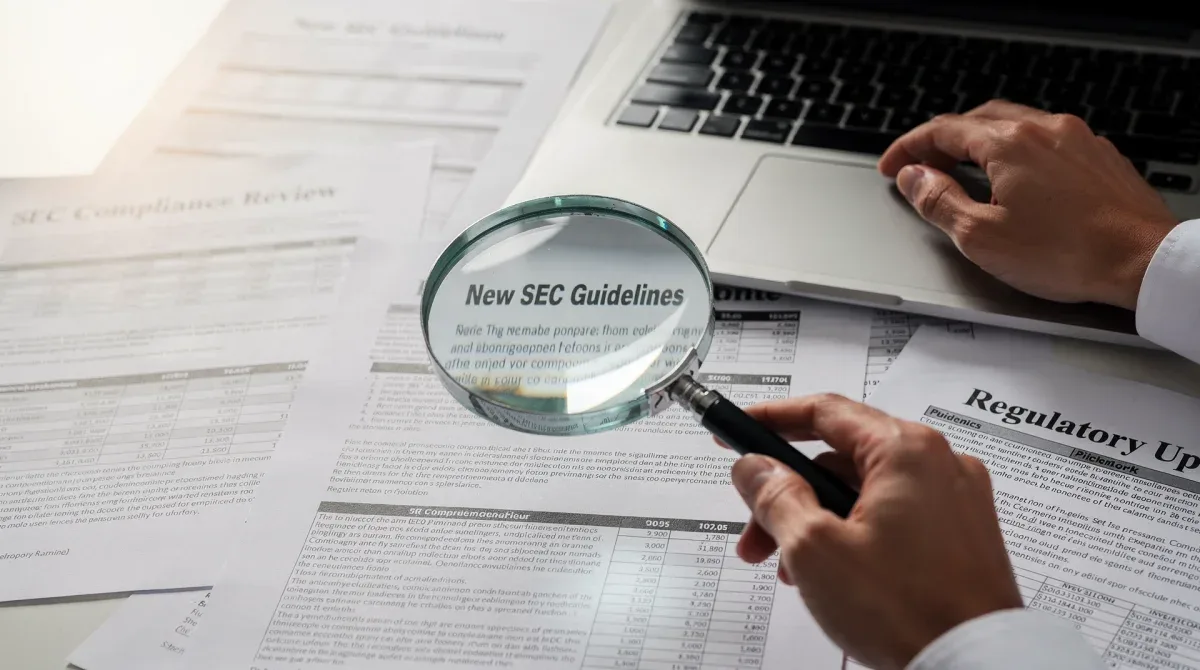
The Road to 2026: Preparation and Milestones
The period leading up to the 2026 implementation of the SEC Transparency Standard is critical for public companies to finalize their preparation strategies. Key milestones include conducting internal assessments, upgrading technology systems, and training personnel.
Companies should prioritize a phased approach, starting with a thorough gap analysis to identify areas where current practices fall short of the new requirements. This initial assessment will inform the scope and scale of necessary changes for the SEC Transparency Standard 2026.
Engaging with industry peer groups and regulatory bodies can also provide valuable insights and best practices for navigating the transition. Collaborative learning can help companies anticipate potential pitfalls and refine their compliance frameworks for the SEC Transparency Standard 2026.
Key Steps for Public Company Readiness
Conduct a comprehensive beneficial ownership audit to identify all individuals with significant control or ownership.
Review and update internal policies and procedures to align with the new SEC Transparency Standard 2026 reporting requirements.
Implement or upgrade technological solutions for data collection, verification, and secure storage of beneficial ownership information.
Provide extensive training to relevant employees, including legal, finance, and compliance teams, on the specifics of the SEC Transparency Standard 2026.
Establish clear communication channels with legal counsel and regulatory advisors to address any ambiguities or specific challenges related to the SEC Transparency Standard 2026.
Regular internal reviews and mock audits can help identify and rectify issues before the official implementation date. This iterative process ensures that companies are fully prepared for the SEC Transparency Standard 2026.
The transition is not a one-time event but an ongoing commitment to maintaining high standards of transparency. Companies must embed these practices into their corporate culture.
Future Implications and Long-Term Outlook
The long-term outlook for public companies under the SEC Transparency Standard 2026 points towards a more transparent, accountable, and potentially more efficient market. Increased data availability could foster better analytical tools for investors and researchers.
This standard may also catalyze innovation in compliance technology, leading to more sophisticated and automated solutions for regulatory reporting. The industry is likely to see new services emerge to support companies in meeting these demands.
Ultimately, the SEC Transparency Standard 2026 could redefine the baseline for corporate governance, pushing companies towards higher ethical standards and greater corporate responsibility. This shift benefits not only investors but also the broader economy.
Evolving Corporate Governance Landscape
The SEC Transparency Standard 2026 is poised to fundamentally reshape corporate governance practices, emphasizing a greater degree of accountability and ethical conduct from the top down. Companies will need to integrate transparency into their core values and operational ethos.
Boards of directors will likely assume more direct oversight of beneficial ownership reporting and overall compliance with the SEC Transparency Standard 2026, reflecting the heightened importance of these disclosures. This elevated focus ensures that transparency is a strategic priority.
Furthermore, the standard could influence future regulatory initiatives, setting a precedent for even more comprehensive disclosure requirements across various aspects of corporate operations. The SEC Transparency Standard 2026 is a foundational step in an ongoing evolution.
Companies demonstrating strong governance and transparency will likely attract more long-term, stable investment. This creates a positive feedback loop, reinforcing good corporate behavior.
The long-term impact extends to corporate culture, encouraging a more open and honest environment internally and externally. The SEC Transparency Standard 2026 will be a catalyst for this transformation.
Key Point | Brief Description |
|---|---|
New Requirements | Mandates enhanced beneficial ownership disclosures for public companies. |
Affected Entities | Over 5,000 publicly traded U.S. companies are directly impacted. |
Compliance Timeline | Effective date in 2026 requires immediate strategic planning and system upgrades. |
Operational Shifts | Demands new data collection, verification, and reporting processes. |
Frequently Asked Questions About the SEC Transparency Standard 2026
What exactly is the SEC's 2026 Corporate Transparency Standard?▼
It's a new regulation by the U.S. Securities and Exchange Commission requiring publicly traded companies to disclose more detailed information about their ultimate beneficial owners. This aims to increase transparency, combat financial crime, and provide investors with clearer insights into corporate control structures.
Which companies are affected by this new standard?▼
Over 5,000 public companies currently listed in the United States are directly impacted. This includes a broad range of sectors and market capitalizations, necessitating widespread adjustments across the corporate landscape to meet the new reporting demands by 2026.
What are the main challenges for companies in complying?▼
Key challenges include accurately identifying and verifying beneficial owners, especially in complex international structures, and integrating new data collection and reporting systems. Companies must also manage increased administrative burdens and ensure robust internal controls to avoid penalties and reputational damage.
How will this standard benefit investors?▼
The standard is expected to enhance investor confidence by providing greater transparency into corporate ownership and financial dealings. This allows for more informed investment decisions, reduces market opacity, and aligns U.S. markets with global best practices in corporate accountability and integrity.
What should companies do to prepare for 2026?▼
Companies should conduct thorough internal audits of their ownership structures, invest in necessary technology upgrades, and provide comprehensive training to compliance and legal teams. Engaging with legal and regulatory experts is crucial to develop tailored strategies and ensure timely and accurate implementation.
What Happens Now
The SEC Transparency Standard 2026 represents a significant shift in corporate disclosure, demanding proactive engagement from public companies. The coming months are crucial for internal assessments and strategic adjustments to meet these heightened transparency requirements.
Companies that embrace these changes early will be better positioned to navigate the evolving regulatory landscape, reinforce investor trust, and maintain market integrity. The focus now is on meticulous preparation to ensure seamless compliance by the 2026 deadline.