24-Hour Cancellation Rule: Rebook Flights, Save 35% on Fares
Anúncios
Watching a plane ticket drop in price right after you hit checkout is frustrating enough to sour any trip before it starts. Using the 24-Hour Cancellation Rule lets domestic U.S. flyers cancel qualifying reservations for a full refund and rebook lower fares without paying change penalties.
Under U.S. Department of Transportation consumer protections, airlines generally must offer penalty-free cancellation within a day of purchase—or a 24-hour price hold—on direct bookings made at least seven days before departure. Locking the cheaper seat first before canceling the pricier itinerary helps you capture sudden airfare dips without losing your spot.
Whether you fly occasionally for holidays or track domestic airfare swings closely, knowing the fine print protects your travel budget. Here are the eligibility conditions, rebooking steps, and carrier exceptions to watch next.
Understanding the 24-Hour Cancellation Rule
The Department of Transportation (DOT) mandates that airlines operating flights to, from, or within the United States must allow passengers to cancel a reservation within 24 hours of purchase without penalty. This applies to tickets booked at least seven days before the flight's departure date.
This consumer protection rule is designed to give travelers a grace period, allowing them to correct errors or take advantage of better deals. It's a cornerstone of flexible booking, often underestimated by the general public.
Anúncios
The policy ensures that consumers are not locked into a purchase immediately, providing a crucial window for reconsideration. Airlines must comply, offering either a full refund or allowing a reservation to be held at the quoted price for 24 hours.
The DOT Mandate Explained
The DOT's "24-hour rule" applies specifically to flights that are booked directly with airlines or through online travel agencies (OTAs) that act as agents for airlines. It covers all types of tickets, including non-refundable fares, as long as the purchase is made at least seven days prior to departure.
This means if you book a flight today for travel next month, you have a full 24 hours from the time of purchase to cancel and receive a complete refund. This flexibility is key to strategies like How to Use the 24-Hour Cancellation Rule.
Applies to flights to, from, or within the U.S.
Must be booked at least 7 days before departure.
Full refund guaranteed if canceled within 24 hours of booking.
It's important to note that while the rule is clear, some nuances exist. For instance, some airlines might offer a 24-hour hold option instead of a free cancellation, which achieves a similar goal for price monitoring.
Strategic Rebooking: Capitalizing on Fare Drops
The core of this travel hack lies in monitoring flight prices immediately after booking. Fares for domestic flights can fluctuate significantly within hours, making the 24-hour window an opportune time to re-evaluate your purchase.
When a fare drops, as they often do, you can cancel your original booking within the 24-hour period and immediately rebook the same flight at the lower price. This maneuver requires vigilance but can yield substantial savings.
Many travelers have reported saving anywhere from 10% to 35% on their domestic flight costs by employing this simple yet effective strategy. It transforms the initial booking into a flexible option, rather than a fixed commitment.
Anúncios
Monitoring Tools and Best Practices
To effectively implement How to Use the 24-Hour Cancellation Rule, utilizing price tracking tools is essential. Websites and apps dedicated to flight fare alerts can notify you of price changes in real-time.
Setting up price alerts for your specific itinerary immediately after booking is a proactive step. These alerts can be customized to notify you via email or push notifications, ensuring you don't miss a potential drop.
Use flight comparison websites for price alerts.
Set up notifications for specific routes and dates.
Act quickly once a fare drop is detected.
It is crucial to act swiftly once a lower fare is identified. The 24-hour clock starts ticking from the moment of your initial booking, so prompt action is necessary to process the cancellation and rebook before the window closes.
Real-World Savings and Success Stories
Numerous travelers have shared their experiences of successfully using the 24-hour cancellation rule to save money. These anecdotes highlight the practical benefits of being informed and proactive in a dynamic travel market.
For example, a recent case involved a family booking domestic flights for a summer vacation. After their initial purchase, a fare drop of 20% occurred within 12 hours, allowing them to save hundreds of dollars by rebooking.
Such stories underscore that the strategy of How to Use the 24-Hour Cancellation Rule is not just theoretical but a proven method for cost reduction.
These instances demonstrate that even seemingly small fare adjustments can accumulate into significant savings, especially for multiple passengers or longer routes. The key is consistent monitoring and a readiness to act.
Navigating Airline-Specific Policies and Exceptions
While the DOT mandate provides a baseline, some airlines may offer policies that are even more generous. It's always advisable to review the specific airline's terms and conditions regarding their 24-hour cancellation policy.
Some carriers might extend the cancellation window, or offer additional flexibility, particularly for their loyalty program members. However, the federal rule serves as the minimum standard all airlines must meet.
Be aware that the seven-day pre-departure requirement is critical. If your flight departs in less than seven days, the 24-hour cancellation rule typically does not apply, making fare monitoring less effective for last-minute bookings.
Key Considerations for Different Airlines
Major U.S. airlines like Delta, United, American, and Southwest all adhere to the 24-hour rule, but their specific processes for cancellation and rebooking might vary slightly. Familiarizing yourself with these procedures can streamline the process.
For instance, some airlines allow direct online cancellation and rebooking, while others might require a phone call to customer service. Knowing these details beforehand can save precious time when a fare drop occurs, leveraging the 24-hour flight cancellation rule.
Check the airline's specific cancellation process.
Understand any deviations or enhancements to the DOT rule.
Verify the seven-day pre-departure condition carefully.
Additionally, some third-party booking sites may have their own interpretation or processing times for refunds, which could impact the immediate rebooking process. Booking directly with the airline often provides the most straightforward experience for utilizing the 24-hour flight cancellation rule.
Maximizing Savings: Beyond the 24-Hour Window
While the 24-hour cancellation rule is a powerful tool, it's not the only strategy for saving on domestic flights. Combining this rule with other travel hacks can amplify your overall savings.
For instance, booking flights on specific days of the week, typically Tuesdays and Wednesdays, has historically been associated with lower fares. Integrating this knowledge into your booking strategy can increase the likelihood of finding a cheaper initial price or a subsequent fare drop.
Furthermore, being flexible with your travel dates and times can open up more opportunities for savings. Weekday travel or red-eye flights often present more economical options compared to peak weekend travel, enhancing your ability to save using the 24-hour flight cancellation rule.
Additional Strategies for Flight Savings
Consider using airline credit cards that offer travel benefits, including points, miles, and sometimes even price drop protection or travel insurance. These perks can provide an additional layer of savings and security.
Subscribing to airline newsletters and travel deal sites can also keep you informed about flash sales and promotional offers. These can be combined with the 24-hour flight cancellation rule to secure the best possible price.
Travel during off-peak seasons or days.
Be flexible with departure and arrival airports.
Utilize incognito mode for flight searches to avoid price increases.
The goal is to create a multi-faceted approach to flight booking, where the 24-hour flight cancellation rule acts as a safety net and a rebooking opportunity. This holistic view ensures you are always positioned to get the best deal.
Common Pitfalls and How to Avoid Them
Despite its benefits, travelers should be aware of potential pitfalls when attempting to How to Use the 24-Hour Cancellation Rule. Misunderstanding the terms can lead to missed opportunities or unexpected charges.
One common mistake is failing to cancel within the strict 24-hour window. The clock starts precisely at the time of purchase, not when you receive a confirmation email. Keeping track of this exact timeframe is crucial.
Another pitfall is assuming the rule applies to all bookings, regardless of the departure date. Remember, the flight must be at least seven days away for the DOT rule to apply, a detail often overlooked.
Ensuring a Smooth Rebooking Process
To avoid complications, always double-check the cancellation policy for your specific flight and airline. Take screenshots of fare drops as evidence, though typically not required, it can be helpful in rare disputes.
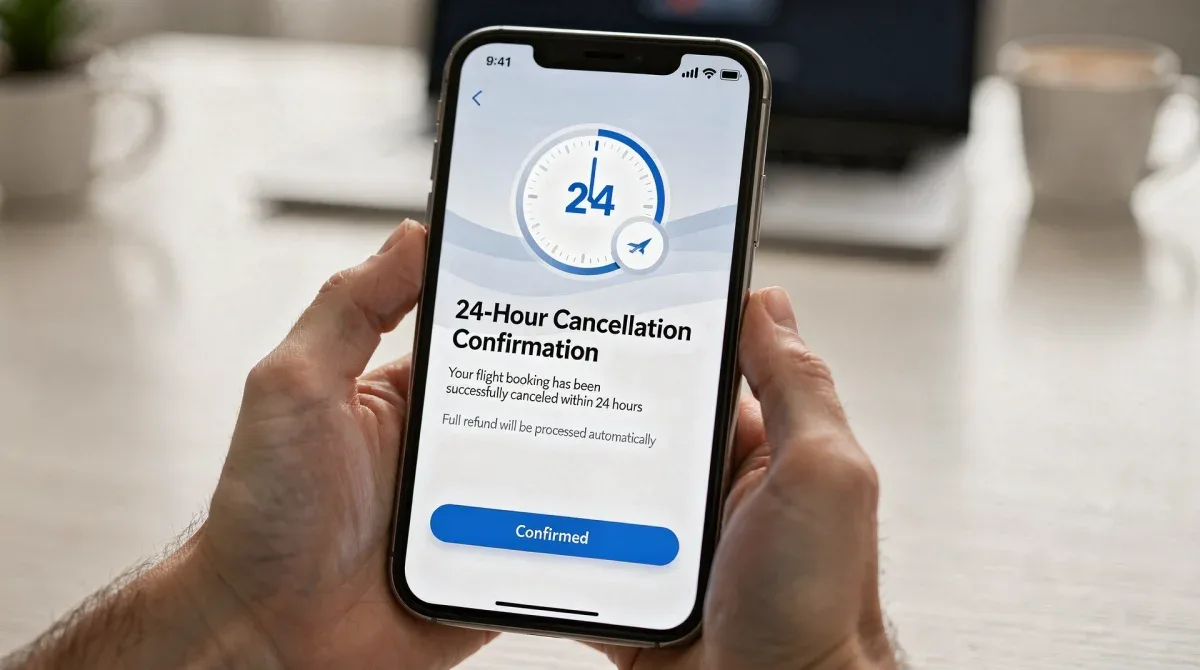
When canceling, ensure you receive a confirmation of cancellation and a full refund. Keep records of both the original booking and the new booking, including confirmation numbers and prices. This meticulous record-keeping supports a seamless rebooking process.
Confirm the exact time of booking for the 24-hour countdown.
Verify the seven-day pre-departure condition.
Document all transactions, cancellations, and rebookings.
Being prepared and informed minimizes risks, allowing you to confidently use the 24-hour flight cancellation rule to your advantage. It’s a powerful consumer right that, when properly utilized, can lead to significant financial benefits.
The Future of Flexible Flight Bookings
The increasing demand for flexibility in travel, accelerated by recent global events, suggests that policies like the 24-hour cancellation rule will remain vital. Airlines are increasingly recognizing the value of consumer confidence and adaptable booking options.
While the 24-hour rule is a federal mandate, some airlines are exploring even more flexible booking options, such as waiving change fees permanently or offering more generous cancellation windows for certain fare types. This evolving landscape could further enhance the ability to save.
As technology advances, price prediction tools and automated rebooking services may become more sophisticated, making it even easier for travelers to leverage fare drops. The future points towards a more empowered traveler, adept at navigating complex fare structures to their benefit, especially with strategies like How to Use the 24-Hour Cancellation Rule.
Continuous innovation in the travel industry aims to provide consumers with greater control over their bookings. The 24-hour flight cancellation rule is a foundational element in this shift towards more flexible and consumer-friendly travel.
Key Point | Brief Description |
|---|---|
24-Hour Rule | Federal mandate allowing free cancellation within 24 hours of booking. |
Fare Drop Savings | Rebook cheaper flights, potentially saving up to 35% on domestic fares. |
Eligibility | Applies to flights booked at least 7 days before departure. |
Strategic Monitoring | Use price alerts to detect fare changes and act quickly. |
Frequently Asked Questions About Flight Rebooking
What is the 24-hour cancellation rule?▼
The 24-hour cancellation rule is a U.S. Department of Transportation (DOT) regulation requiring airlines to allow passengers to cancel a reservation for a full refund within 24 hours of purchase, provided the flight is at least seven days away.
How can I save money using this rule?▼
You can save money by booking a flight, then monitoring prices for the same itinerary. If the fare drops within 24 hours, you can cancel your original booking for a full refund and immediately rebook at the lower price, potentially saving up to 35%.
Does the rule apply to all flights?▼
No, it specifically applies to flights to, from, or within the United States. Crucially, the booking must also be made at least seven days prior to the scheduled departure date to be eligible for the 24-hour free cancellation.
What tools help monitor flight prices?▼
Various flight comparison websites and mobile applications offer price tracking and alert services. You can set up notifications for specific routes and dates to receive alerts when fares change, enabling quick rebooking decisions.
What if I miss the 24-hour window?▼
If you miss the 24-hour window, the standard cancellation and change policies of your purchased fare will apply. For non-refundable tickets, this typically means forfeiture of the ticket value or payment of change fees to alter your booking.
What this means
The ability to use the 24-hour flight cancellation rule effectively empowers travelers with significant financial flexibility. It transforms initial flight bookings into strategic opportunities, allowing consumers to react to market fluctuations and secure better deals.
As domestic travel continues to evolve, understanding and leveraging this federal protection will remain a cornerstone of smart travel planning. This strategy not only saves money but also fosters greater confidence in booking decisions, making travel more accessible and economical for many.